


Solenoid valves serve as critical components in fluid control systems across diverse industries, offering automated regulation of liquid and gas flow through electrical signals. Among the various materials used in their construction, stainless steel and plastic represent two prominent choices, each with distinct characteristics that make them suitable for specific applications. Understanding the differences between stainless steel and plastic solenoid valves is essential for engineers, technicians, and procurement professionals to make informed decisions that align with operational requirements and environmental conditions.
Stainless steel solenoid valves are renowned for their exceptional durability and resistance to harsh environments. Constructed from alloys like 304 or 316 stainless steel, these valves exhibit high tensile strength, corrosion resistance, and tolerance to extreme temperatures, ranging from cryogenic conditions to high-heat environments. The material's non-porous surface prevents contamination, making it ideal for applications in the food and beverage, pharmaceutical, and chemical industries where hygiene and purity are paramount. Additionally, stainless steel valves maintain structural integrity under high pressure, enabling their use in hydraulic systems, oil and gas processing, and water treatment plants where reliability under demanding conditions is critical.
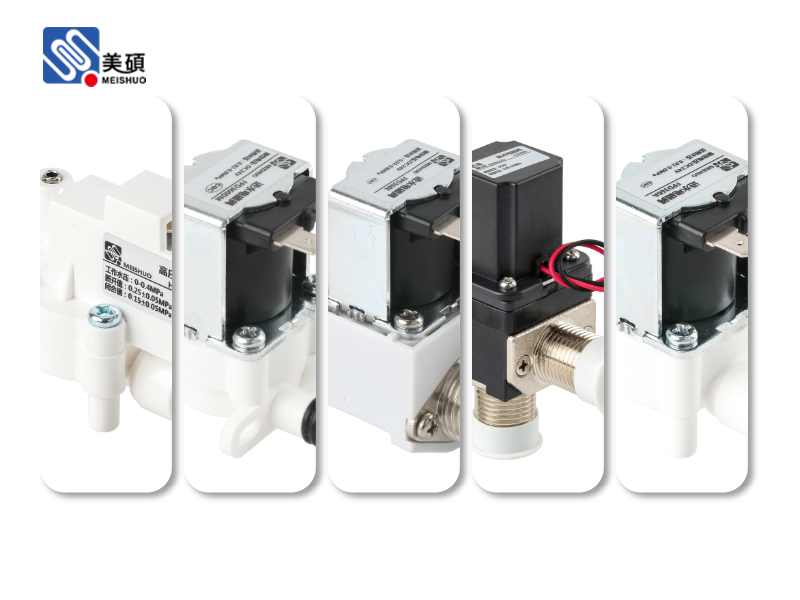
In contrast, plastic solenoid valves, typically made from materials such as PVC, PTFE, or polypropylene, offer distinct advantages in terms of cost-effectiveness and chemical compatibility. Plastic's lightweight nature reduces installation complexity and transportation costs, while its inherent resistance to certain chemicals—including acids, bases, and solvents—makes it suitable for applications where metal components might corrode. For instance, in agricultural irrigation systems, plastic valves resist degradation from fertilizers and pesticides, ensuring long-term functionality. Moreover, plastic valves are often preferred in low-pressure, low-temperature environments, such as laboratory equipment, swimming pool filtration systems, and small-scale water distribution networks, where operational demands are less stringent.
Performance characteristics further distinguish stainless steel and plastic solenoid valves. Stainless steel valves generally have a longer service life due to their robust construction, withstanding repeated cycles of opening and closing without significant wear. Their ability to operate at higher pressures (often exceeding 1000 psi) and temperatures (up to 400°F) makes them indispensable in industrial processes requiring precise control under extreme conditions. Plastic valves, while more prone to wear and deformation under high stress, offer superior electrical insulation properties, reducing the risk of short circuits in wet or humid environments. This feature is particularly valuable in marine applications or outdoor installations where exposure to moisture is common.
The selection of stainless steel versus plastic solenoid valves depends on several key factors. First, the nature of the fluid being controlled plays a pivotal role: corrosive liquids or gases may necessitate plastic valves, while abrasive or high-pressure fluids often require stainless steel. Second, operating conditions such as temperature, pressure, and environmental exposure must be evaluated. For example, outdoor applications subject to UV radiation may require UV-stabilized plastic valves, whereas stainless steel valves are better suited for high-temperature industrial furnaces. Third, cost considerations cannot be overlooked: plastic valves typically have lower upfront costs, making them attractive for budget-sensitive projects, while stainless steel valves, despite higher initial expenses, offer long-term savings through reduced maintenance and replacement needs.
In conclusion, both stainless steel and plastic solenoid valves play vital roles in modern fluid control systems, each addressing unique challenges and requirements. Stainless steel valves excel in durability, high-pressure resistance, and hygiene-critical applications, while plastic valves offer cost efficiency, chemical compatibility, and lightweight design. The optimal choice between the two depends on a comprehensive assessment of fluid properties, operating conditions, budget constraints, and regulatory standards. By carefully evaluating these factors, professionals can select solenoid valves that enhance system performance, ensure safety, and maximize operational efficiency, ultimately contributing to the reliability and longevity of fluid control processes across industries.

 Chat Oline