


In the world of industrial automation and fluid control, size and performance are often viewed as opposing forces. However, the compact solenoid valve has emerged as a technological marvel that defies this conventional wisdom. This miniature device packs a powerful punch, delivering precise control over liquids and gases in applications where space is at a premium.
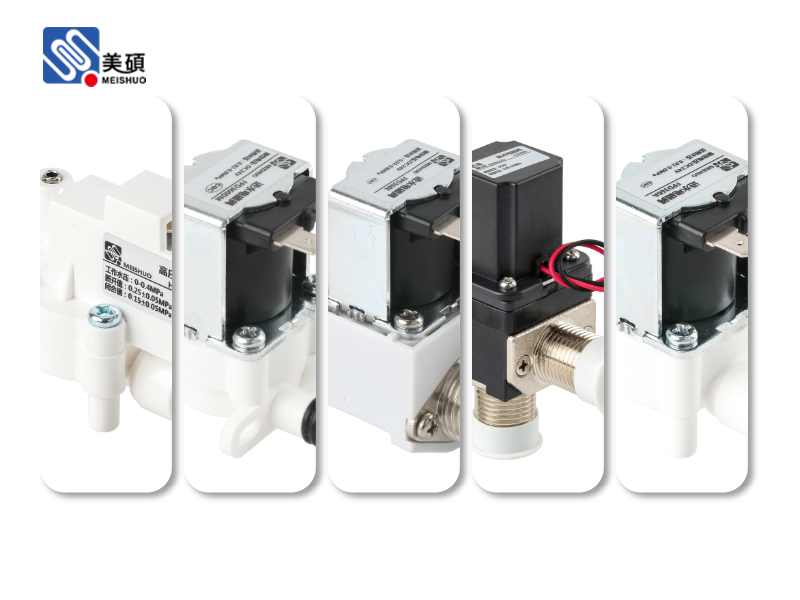
A compact solenoid valve operates on the same fundamental principle as its larger counterparts: an electrical current activates a magnetic field, which in turn moves a plunger to open or close a valve. What sets it apart is its ingenious design that condenses this functionality into an incredibly small form factor. Engineers have optimized every component—from the coil design to the valve body—to minimize dimensions without compromising performance.
The benefits of compact solenoid valves extend far beyond mere space savings. Their reduced size translates to lower material costs and lighter weight, making them ideal for portable and mobile applications. In medical devices, for instance, compact solenoid valves play a critical role in delivering precise dosages of medication in infusion pumps and dialysis machines. Their miniature footprint allows these life-saving devices to be both effective and portable.
In the automotive industry, compact solenoid valves have become indispensable components in engine management systems. They control fuel injection timing, emissions, and transmission fluid flow with exceptional accuracy. The reduced size of these valves has contributed to the development of more compact and fuel-efficient engines, aligning with global efforts to reduce carbon emissions.
Another area where compact solenoid valves excel is in pneumatic systems. These valves are widely used in automated manufacturing processes, where they control the movement of robotic arms and other machinery. Their rapid response time—often measured in milliseconds—enables precise and efficient operations, increasing productivity while reducing energy consumption.
The design innovations behind compact solenoid valves are worth examining in detail. Manufacturers have developed specialized coil winding techniques that generate stronger magnetic fields in smaller spaces. Advanced materials, such as high-performance plastics and rare-earth magnets, have enabled the production of valves that are both lightweight and durable. Additionally, clever engineering solutions like integrated fluid channels and optimized flow paths have minimized pressure drops, ensuring efficient fluid transfer despite the reduced size.
One of the most significant advantages of compact solenoid valves is their versatility. They can handle a wide range of media, from water and air to aggressive chemicals and high-temperature fluids. This adaptability has led to their adoption in diverse industries, including food and beverage processing, where hygiene and precision are paramount. In these applications, compact solenoid valves control the flow of ingredients and cleaning agents with exceptional accuracy.
The evolution of compact solenoid valves continues at a rapid pace. Recent advancements include the integration of smart technologies, such as sensors and communication modules, which enable real-time monitoring and remote control. These intelligent valves can self-diagnose potential issues, predict maintenance needs, and communicate with other system components, creating more responsive and efficient fluid control networks.
As industries continue to push the boundaries of miniaturization and performance, the demand for compact solenoid valves is expected to grow exponentially. Their ability to deliver precise control in limited spaces makes them essential components in the development of next-generation technologies, from wearable medical devices to autonomous vehicles.
In conclusion, the compact solenoid valve represents a paradigm shift in fluid control technology. By combining miniature dimensions with exceptional performance, these valves have opened up new possibilities in countless applications. As engineers continue to refine their design and capabilities, we can expect to see even more innovative uses for this remarkable device, further revolutionizing the way we control and manage fluids in the modern world.

 Chat Oline