automotive relay manufacturer: the backbone of modern automotive electrical systems
Release time:2025-12-07 15:07:17
In today's automotive industry, electrical systems play a crucial role in ensuring the functionality and safety of vehicles. One often-overlooked but vital component of these systems is the Automotive relay. Automotive relays are responsible for controlling the flow of electrical current in a vehicle, managing a wide range of operations from activating lights and wipers to controlling engine functions. This makes the role of Automotive relay manufacturers indispensable to the industry.
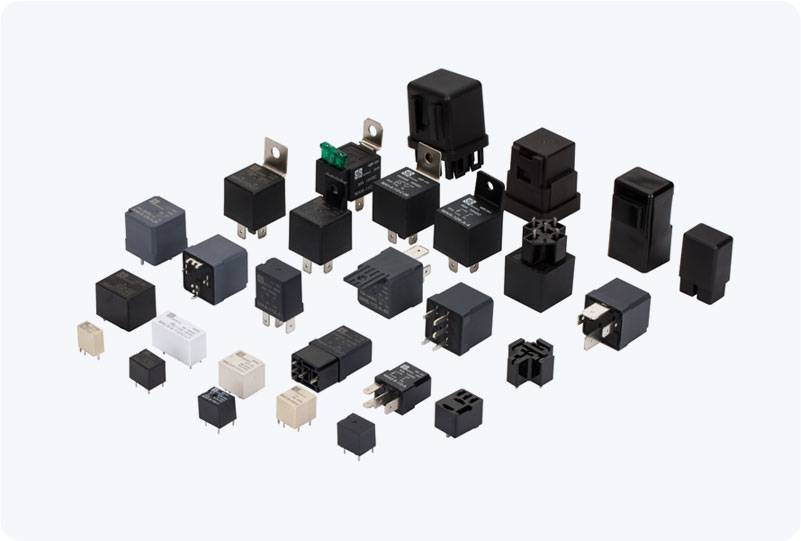
Understanding the Importance of
Automotive relays Automotive relays are electromagnetic switches designed to control the flow of high-power current to various components in a car's electrical system. Typically, a relay consists of a coil, a set of contacts, and a spring. When current flows through the coil, it generates a magnetic field, which causes the contacts to either open or close, depending on the type of relay. This allows low-power circuits to control high-power circuits safely and efficiently. Relays are used for a wide array of automotive applications. These include the operation of lights, horns, windshield wipers, heating and cooling systems, and even safety systems like airbags. Without automotive relays, these systems could not function properly, and the safety and comfort of passengers would be at risk.




 Chat Oline