understanding the relay control system: a key to automation
Release time:2026-01-19 02:42:03
The Relay Control System is an essential component in the realm of electrical engineering and automation. As industries evolve, so do the demands for efficient and robust control mechanisms. The use of relays in control systems provides a reliable means of switching, monitoring, and operating various electrical devices. This technology has stood the test of time, finding its place not only in traditional industrial applications but also in modern automated systems.
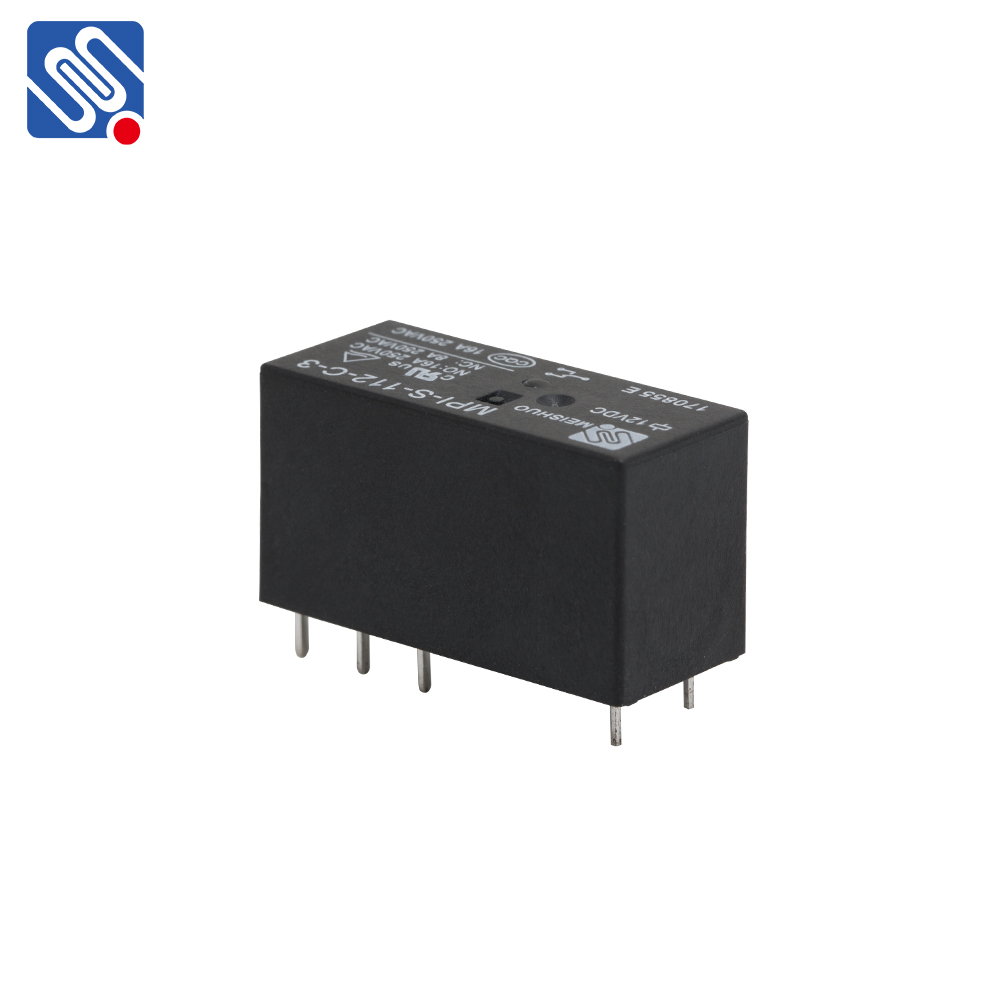
What is a Relay Control System?
At its core, a Relay Control System utilizes electromagnetic switches, known as relays, to control the operation of electrical circuits. These relays act as intermediaries; they enable a low-power signal to control a high-power device, ensuring that the systems operate safely and efficiently. The basic components of a relay control system include input devices (sensors and switches), a controller (such as a programmable logic controller or PLC), relays, and output devices (motors, lights, heaters, etc.).
How Does a Relay Control System Work?
The functioning of a Relay Control System is relatively straightforward. It begins with input devices that detect specific conditions, like temperature or pressure changes. These devices send signals to the controller. The controller interprets these signals based on pre-defined logic and determines the necessary action.




 Chat Oline