understanding high current power relay: a key component in electrical systems
Release time:2026-01-18 19:49:13
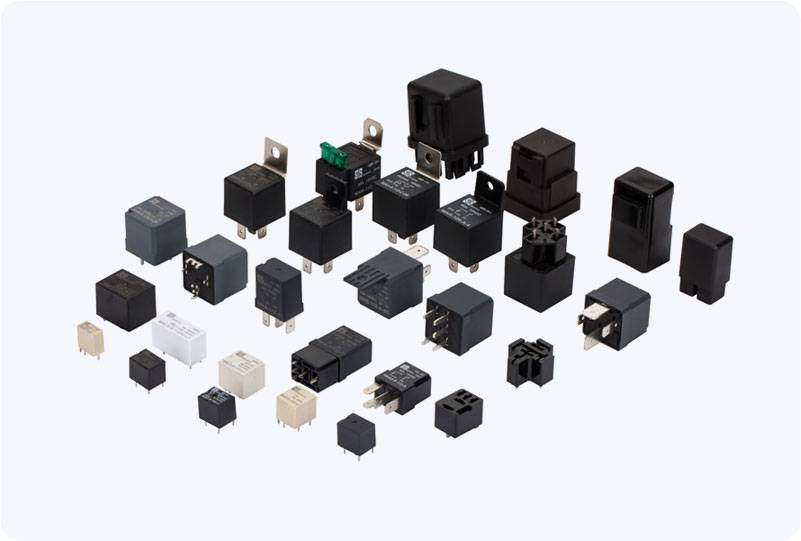
In the ever-evolving landscape of electrical engineering, the High Current Power Relay (HCPR) stands out as a vital component used in various applications requiring the management of high current loads. These relays are designed to switch circuits safely and efficiently, allowing for the control of power-hungry devices and systems. This article aims to explore the intricacies of high current power relays, their working principle, applications, advantages, and key considerations when selecting them for specific applications.
Working Principle
The core function of a high current power relay relies on the interaction between an electromagnetic coil and a set of contacts. The relay consists of two main parts: the coil, which is energized by a small control current, and the contact mechanism, which opens or closes the circuit for the load.
When the coil is energized, it generates a magnetic field that attracts a movable armature. This movement changes the state of the contacts, either making them close (in the case of a normally open relay) or opening them (in the case of a normally closed relay). This action allows the relay to control a much larger current flowing through the load circuit, effectively isolating the low-power control circuit from the high-power load.




 Chat Oline