understanding relay functional testing: key to reliable electrical systems
Release time:2026-01-18 19:31:08
Relay functional testing is a critical process in ensuring the proper operation and longevity of relays in various electrical systems. A relay is a device that opens or closes contacts in an electrical circuit when it receives a control signal. Relays are fundamental components in industrial automation, automotive electronics, power distribution, and many other applications. To guarantee their performance, regular relay functional testing is essential. This testing verifies that the relay operates within its specified parameters, providing confidence in its ability to function correctly when required.
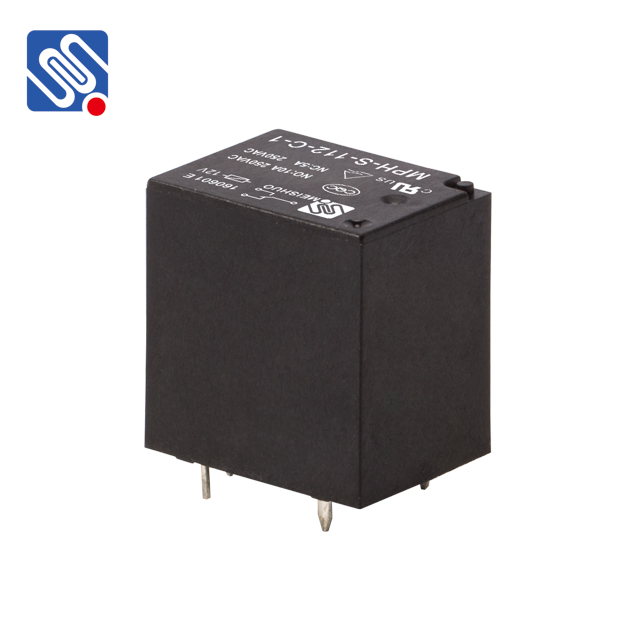
What is Relay Functional Testing?
Relay functional testing involves verifying that a relay performs its intended function under various operating conditions. It ensures that the relay can handle the required electrical load, switch reliably, and operate within the specified time limits. This testing is done through a series of tests designed to simulate normal and extreme conditions the relay may face in real-world applications.
Types of Relay Functional Tests
Operational Tests
The primary purpose of relay testing is to check if the relay can properly switch its contacts when a control signal is applied. This test verifies that the relay opens and closes its contacts at the correct time and under the appropriate voltage and current conditions. Testing is typically done under both no-load and load conditions to simulate real-world operations.




 Chat Oline