understanding the iec 61811 ev relay: ensuring safety and efficiency in electric vehicle charging
Release time:2026-01-18 07:52:26
As the world shifts toward a more sustainable future with electric vehicles (EVs) at the forefront, the need for robust and reliable charging infrastructure becomes increasingly critical. One of the pivotal components in this infrastructure is the relay, specifically the IEC 61811 EV relay. This relay plays a significant role in the safety and performance of electric vehicle charging systems. This article explores the importance of IEC 61811 EV relays, detailing their standards, functionalities, and implications for the industry.
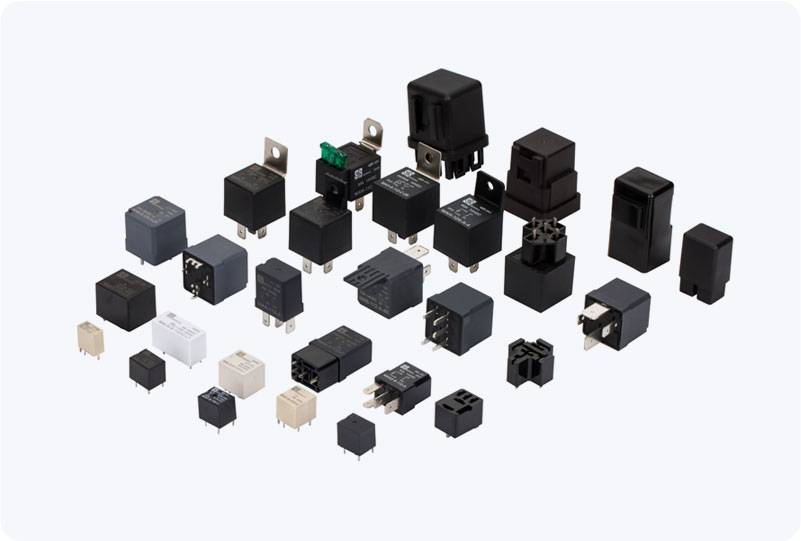
The Importance of IEC 61811 Standard
The IEC 61811 standard, established by the International Electrotechnical Commission, offers a comprehensive framework for relays used in electric vehicle charging applications. This standard addresses the many challenges and requirements that arise in the context of EV charging, ensuring that the relays function reliably under various operating conditions. It outlines safety measures, performance criteria, and testing methods, thereby providing manufacturers and users with essential guidelines.
Safety Measures and Performance Requirements
At the core of the IEC 61811 standard are its stringent safety requirements. Electric vehicles and their charging stations operate under substantial electrical loads, making safety a top priority. The standards stipulate that the relays must withstand regular and abnormal operating conditions without failure. This includes resistance to electrical overstress, mechanical wear, and environmental factors such as humidity and temperature fluctuations.




 Chat Oline