voice control relay: revolutionizing smart home automation with voice commands
Release time:2025-12-07 12:52:44
In recent years, the evolution of smart home technology has made it increasingly easier for users to control their home appliances and devices remotely. One of the most innovative advancements in this space is the Voice Control Relay, a device that uses voice commands to control electrical devices and appliances, providing enhanced convenience, accessibility, and energy management. Voice Control Relays are rapidly becoming a key component in smart home automation, allowing users to enjoy a hands-free experience while managing various tasks around the house.
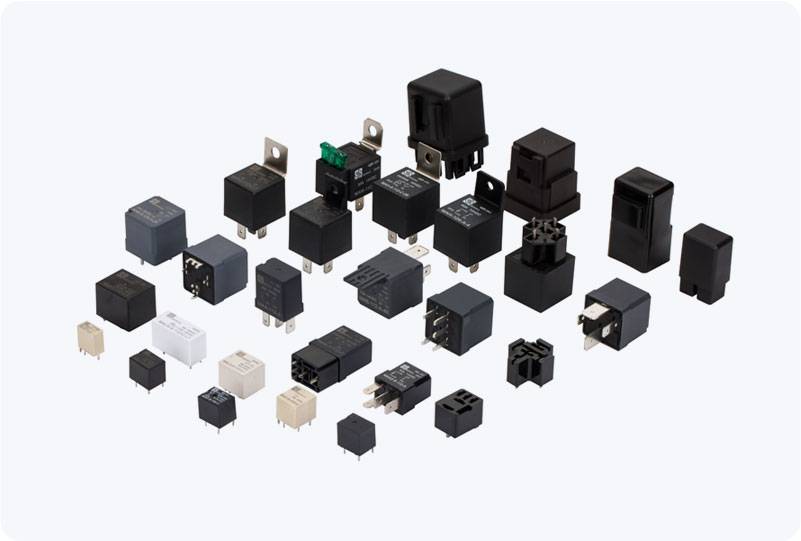
What is a Voice Control Relay? A Voice Control Relay is a device that integrates voice recognition technology with relay switches, enabling users to control their electrical appliances, lights, fans, and other devices using simple voice commands. This technology works by pairing a relay switch with a voice assistant like Amazon Alexa, Google Assistant, or Apple Siri, making it possible to control connected devices without the need for manual intervention. At its core, the Voice Control Relay system involves a microphone and speaker unit that listens for voice input, a processor that interprets the voice commands, and a relay module that activates or deactivates connected devices based on those commands. It typically operates via a smart home platform or app, using wireless communication protocols such as Wi-Fi, Zigbee, or Z-Wave to send commands to the relay switches.




 Chat Oline