a comprehensive guide to stainless steel and plastic solenoid valves
Release time:2025-12-07 12:04:19
Solenoid valves are essential components in various industrial applications, controlling the flow of liquids and gases with the use of electromagnetic forces. These valves operate by opening or closing a passage when an electric current passes through a coil, creating a magnetic field that actuates the valve. Solenoid valves come in many materials, with stainless steel and plastic being two of the most commonly used types. Both materials offer unique benefits that make them suitable for different applications. This article explores the features, advantages, and typical applications of stainless steel and plastic solenoid valves, helping you choose the right type for your specific needs.
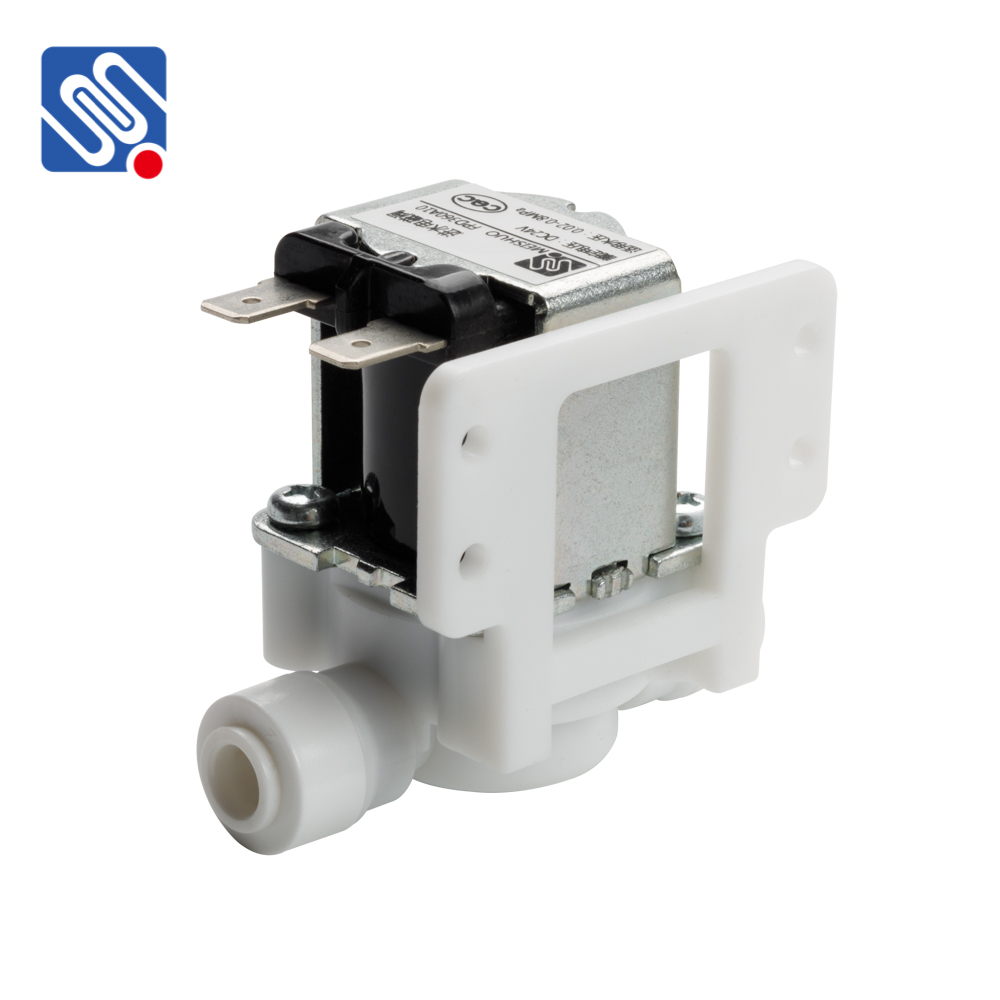
Stainless Steel Solenoid Valves: Durability and Strength Stainless steel solenoid valves are renowned for their robustness and reliability. Made from alloys like 304 or 316 stainless steel, these valves offer excellent resistance to corrosion, high temperatures, and high pressures. These features make them ideal for demanding environments where durability is a critical factor. Key Advantages: Corrosion Resistance: Stainless steel is highly resistant to corrosion, even in harsh environments exposed to chemicals, oils, and other corrosive substances. This makes it perfect for industries like chemical processing, food and beverage, and pharmaceuticals, where exposure to harsh chemicals and cleaning agents is common.




 Chat Oline