china liquid control solenoid valve manufacturers: meishuo leading the industry
Release time:2025-12-07 11:19:59
China has become a global leader in the manufacturing and supply of industrial components, and among the key products that have gained significant attention in recent years are liquid control solenoid valves. These valves play a critical role in controlling the flow of liquids in various systems, from industrial machines to domestic appliances. With numerous manufacturers in China, one company stands out: Meishuo. Meishuo has earned a reputation as a top manufacturer of liquid control solenoid valves, offering cutting-edge technology and superior quality that have made it a favorite among international customers.
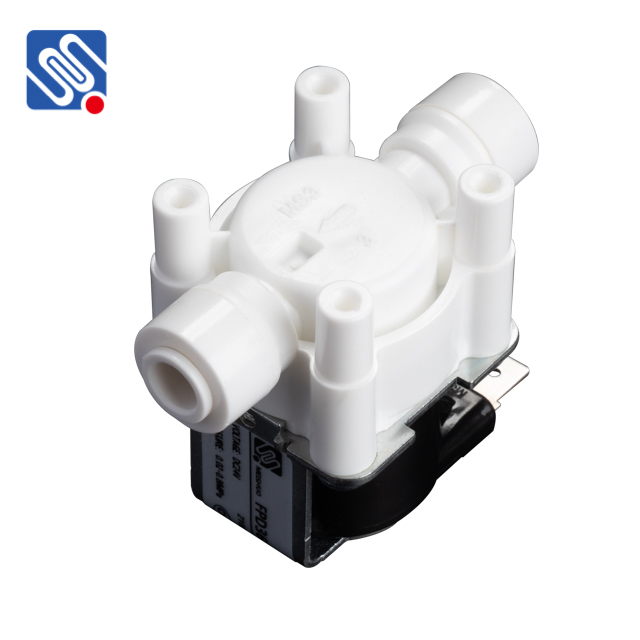
The Importance of Liquid Control Solenoid Valves Liquid control solenoid valves are essential for controlling the flow of liquid in both automatic and manual systems. These valves use an electromagnetic solenoid to control the opening and closing of the valve, ensuring that the liquid is directed to the right place in the right amount. Whether it's in industrial applications such as oil and gas systems, automotive manufacturing, water treatment, or medical devices, solenoid valves ensure smooth operation and precise control. These valves are particularly beneficial in systems that require automation. The ability to control the flow without manual intervention improves efficiency, reduces human error, and makes systems more reliable. Additionally, solenoid valves are energy-efficient and can be designed for a wide range of pressures, temperatures, and flow rates, making them versatile in different environments.




 Chat Oline