the future of home automation: understanding the smart appliance relay
Release time:2025-12-07 11:01:28
In the world of modern home automation, the integration of smart devices has revolutionized how we interact with our homes. Among these innovations, the Smart Appliance Relay stands out as a crucial component that enhances the functionality of home appliances. By offering an easy-to-use platform for remotely controlling and automating various household devices, smart appliance relays have become essential for tech-savvy homeowners looking to improve their convenience, energy efficiency, and overall home experience. This article delves into what smart appliance relays are, their features, benefits, and how they are transforming modern homes.
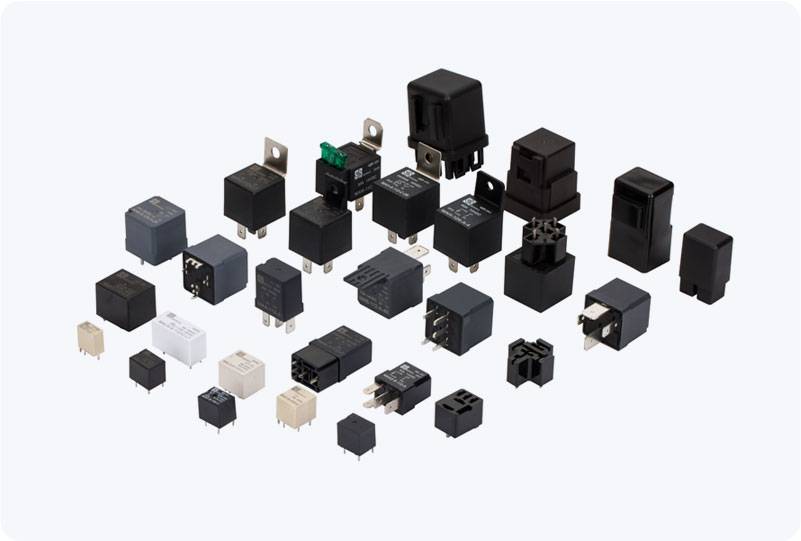
What is a Smart Appliance Relay? A Smart Appliance Relay is an electronic device that acts as an intermediary between household appliances and a user's smartphone or smart home system. It allows users to remotely control and monitor the on/off status of their appliances through apps or voice assistants. These relays are connected to the appliances via Wi-Fi, Bluetooth, or other communication protocols, integrating seamlessly into home automation systems like Amazon Alexa, Google Assistant, or even more advanced platforms like Apple HomeKit. The primary function of a smart appliance relay is to enable easy remote control of household devices that typically operate with standard switches. Instead of manually turning on or off an appliance, users can do so from anywhere with an internet connection. This type of technology is often used to control lights, fans, coffee makers, air conditioners, or even heavy-duty appliances like washing machines and refrigerators.




 Chat Oline