understanding relay efficiency: enhancing communication networks
Release time:2026-01-17 18:11:59
In the era of rapid technological advancement, efficient communication has become pivotal for both individuals and organizations. As our reliance on wireless networks continues to grow, the optimization of data transmission methods has garnered significant attention. Among the various techniques operating in this domain, relay efficiency emerges as a critical concept that plays a vital role in enhancing the overall performance of communication systems.
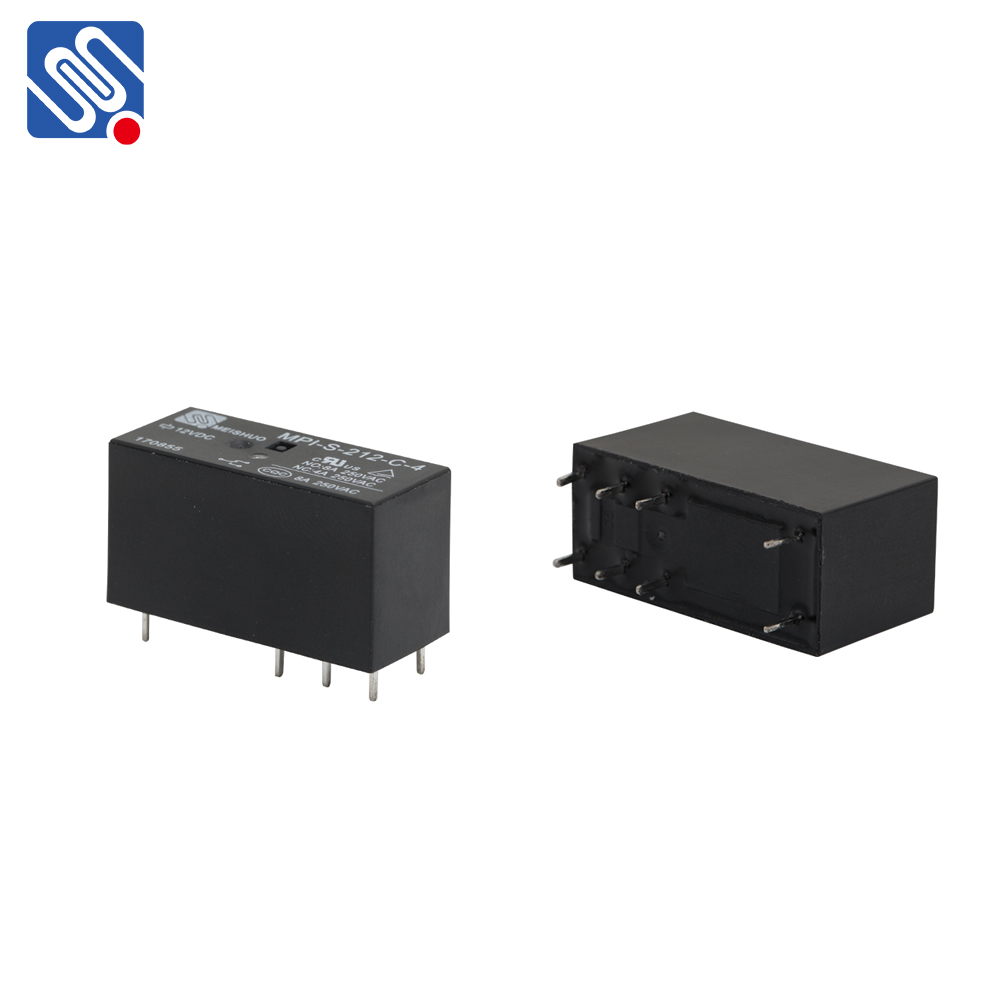
What is Relay Efficiency?
Relay efficiency refers to the effectiveness with which a relay node can forward signals within a communication network. It is a measure of the ratio between the useful transmitted data and the overall energy or resources consumed during the relay process. Specifically, it evaluates how effectively a relay can facilitate communication, considering factors such as signal strength, latency, and energy consumption.
The core idea is to improve the communication quality between the source and destination nodes by utilizing intermediate relay nodes that assist in signal transmission. The relay acts as a bridge, retransmitting signals to overcome distance constraints or weak signal areas, thereby ensuring that data reaches its intended destination with minimal loss.
Next article:there is none left!
Return to List




 Chat Oline