understanding high voltage distribution relay: a vital component in modern power systems
Release time:2026-01-14 20:42:02
In the ever-evolving landscape of electrical engineering, the importance of reliable and efficient power distribution cannot be overstated. One key component that plays a crucial role in maintaining the integrity of high voltage electrical systems is the High Voltage Distribution Relay (HVDR). HVDRs are pivotal in ensuring safety, enhancing operational efficiency, and protecting infrastructure against electrical faults. This article delves into the functions, components, applications, and future trends regarding HVDRs, highlighting their significant role in electrical distribution networks.
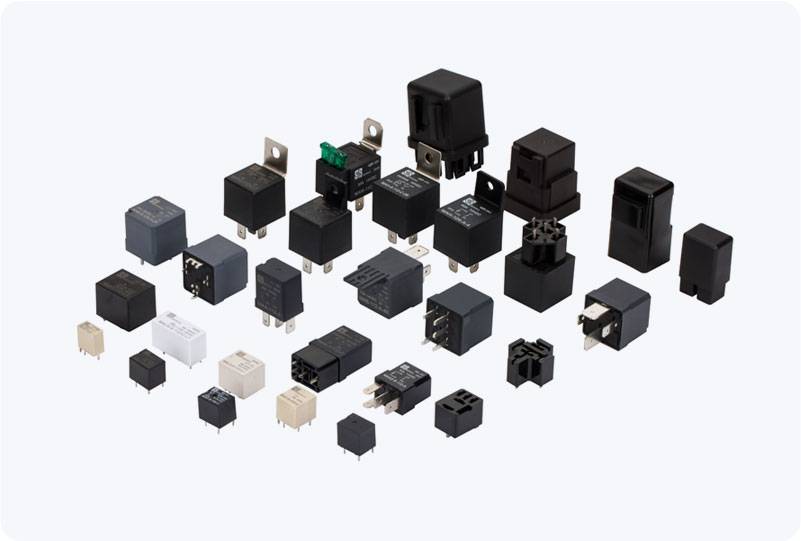
Functions of High Voltage Distribution Relay
At its core, the primary function of a High Voltage Distribution Relay is to monitor and control electrical parameters in high voltage systems. HVDRs are equipped with protective features designed to detect electrical anomalies such as short circuits, overloads, and phase faults. When a fault is identified, the relay initiates swift actions to isolate the affected section of the circuit, preventing potential damage to equipment and reducing the risk of outages.
Moreover, HVDRs are not only protective devices but also integral to the monitoring and control processes within power systems. They continuously assess critical electrical parameters, including voltage, current, and frequency, ensuring that these measurements remain within predefined safety limits. This real-time monitoring capability enables operators to make informed decisions regarding maintenance and operational adjustments, thus maximizing system efficiency.




 Chat Oline