iot relay for home automation: a game changer in smart home control
Release time:2025-12-07 02:32:24
In recent years, the concept of the Internet of Things (IoT) has revolutionized the way we interact with everyday objects. Among the many innovations that have emerged, IoT relays for home automation stand out as a key component that enhances the functionality and convenience of smart homes. IoT relays enable remote control and automation of household devices, making it easier than ever for users to manage and optimize their living spaces. In this article, we will explore what IoT relays are, how they work, and the numerous benefits they bring to home automation.
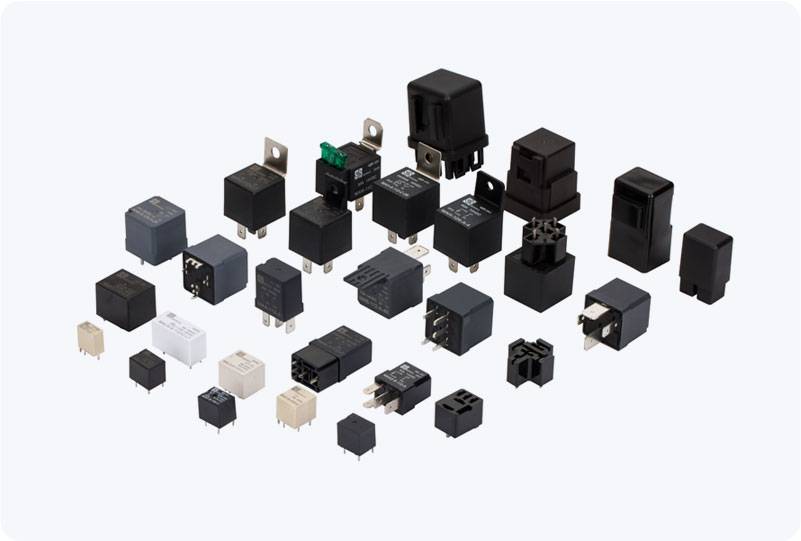
What is an IoT Relay? An IoT relay is a type of relay switch that allows devices to be controlled remotely via the internet. It serves as a bridge between the electrical appliances in a home and the user’s control system (smartphone, computer, or smart speaker). By integrating an IoT relay into your home, you can control lights, fans, air conditioners, security systems, and virtually any electronic device connected to the relay—without being physically present. These relays are typically small, compact devices that connect to the internet via Wi-Fi or other wireless protocols like Zigbee or Z-Wave. They communicate with smart home hubs or mobile applications, allowing users to turn on or off devices, schedule tasks, or set up automation triggers.




 Chat Oline