the future of electric mobility: understanding relay drive technology
Release time:2026-01-14 06:51:56
In the realm of electric mobility, the quest for efficiency, performance, and sustainability has led to the development of various innovative technologies. One such technology that has been gaining traction is the Relay Drive system. This sophisticated approach not only enhances the operational efficiency of electric motors but also significantly contributes to the overall performance of electric vehicles (EVs) and hybrid vehicles. This article will delve into the nuances of Relay Drive technology, its advantages, and its pivotal role in shaping the future of electric transportation.
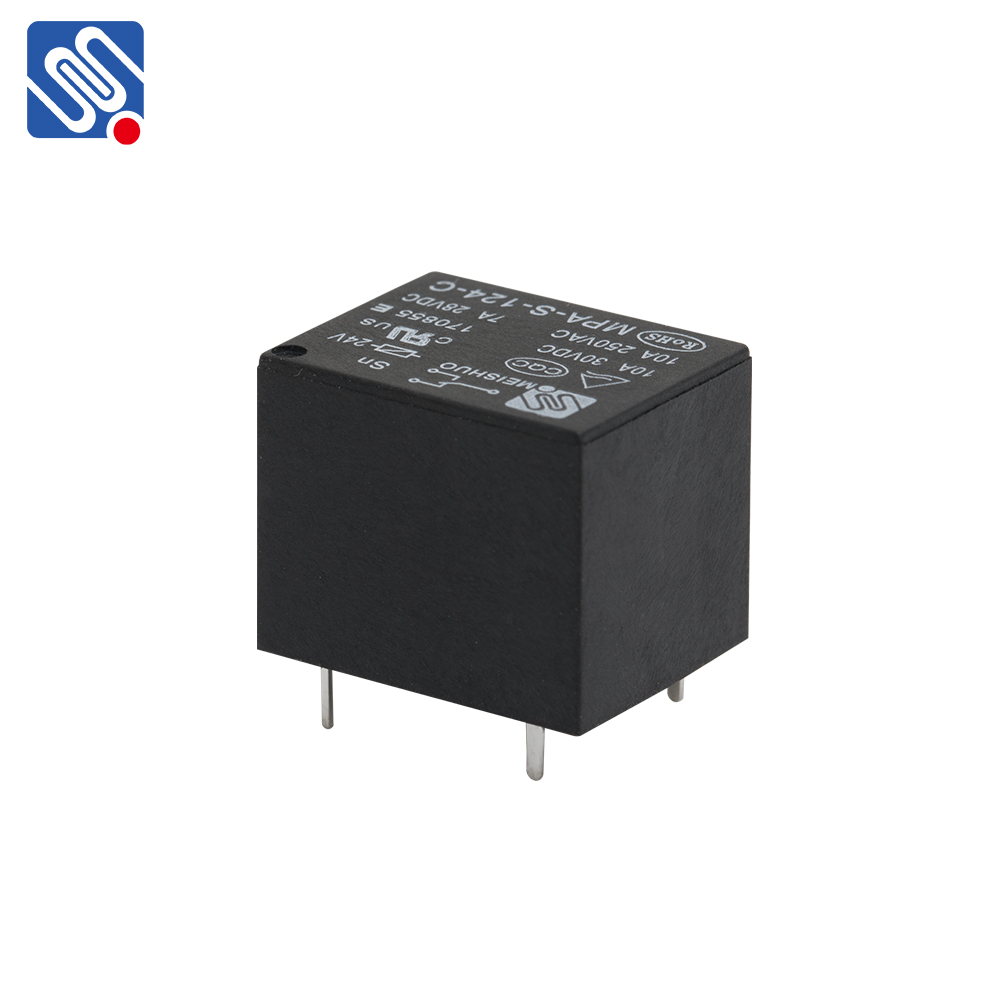
Relay Drive serves as an advanced motor control technology that optimizes the operation of electric motors in vehicles. At its core, this system harnesses electronic control units (ECUs) to manage crucial aspects such as motor startup, speed regulation, and torque adjustments. By leveraging inputs from various sensors, the Relay Drive system allows real-time modifications to motor parameters, which ultimately leads to enhanced energy efficiency and improved driving dynamics.
One of the standout features of Relay Drive technology is its highly efficient control algorithms. Traditional motor control systems often fall short when it comes to maximizing energy use, particularly under varying driving conditions. However, Relay Drive utilizes cutting-edge algorithms that assess the driver’s needs, road conditions, and the current state of the vehicle’s battery to dynamically optimize motor output. This ensures that the vehicle operates at peak efficiency, enabling drivers to experience a smoother and more responsive ride.




 Chat Oline