understanding the plastic water flow control valve: an essential component for fluid management
Release time:2026-01-14 06:25:17
In various applications involving the management of liquid flow, the Plastic Water Flow Control Valve plays a pivotal role. This essential component is instrumental in regulating and directing the flow of water and other fluids in systems ranging from agricultural irrigation to industrial processes. Understanding the design, functionality, advantages, and potential limitations of plastic water flow control valves is crucial for anyone involved in plumbing, irrigation, or fluid management.
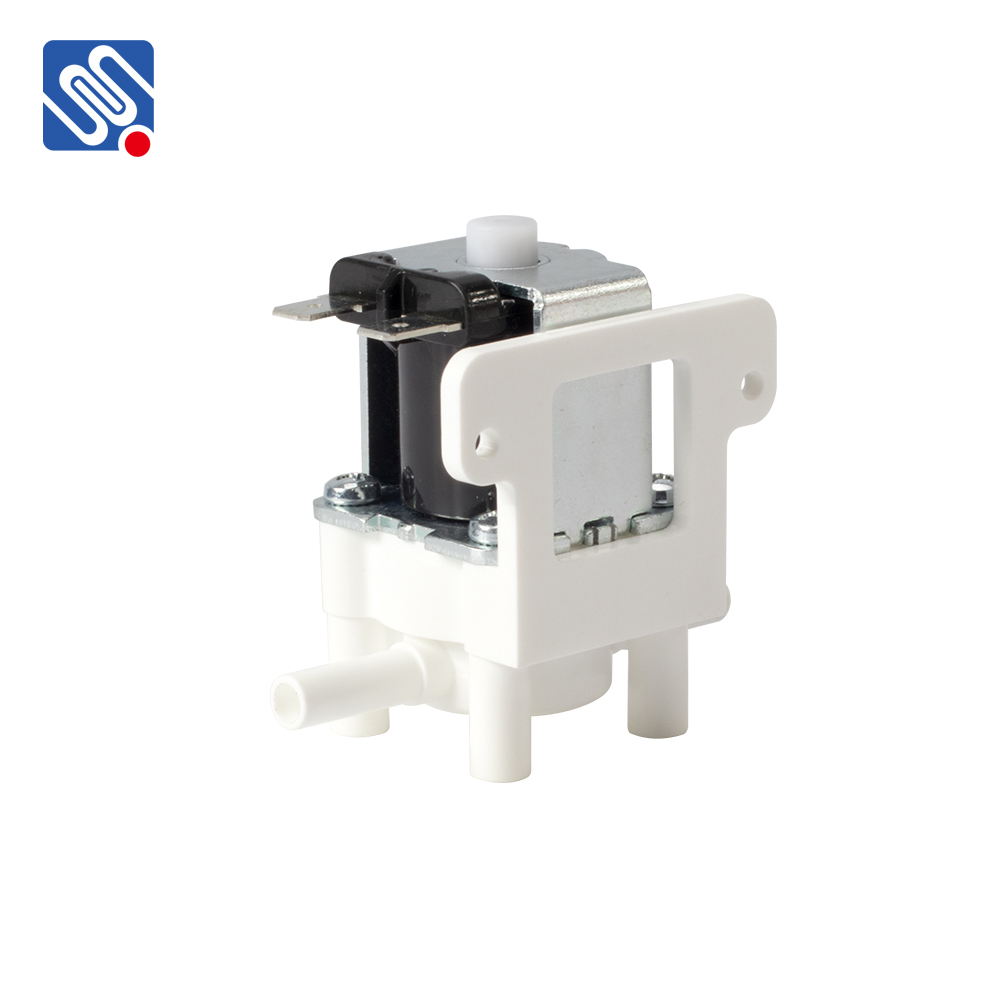
1. Composition and Design
Plastic water flow control valves are typically manufactured from durable plastics such as polypropylene (PP), polyethylene (PE), or polyvinyl chloride (PVC). These materials have been chosen for their excellent resistance to corrosion and various chemicals. Unlike traditional metal valves, which can rust or degrade over time, plastic valves remain reliable and functional in harsh environments.
The design of a plastic water flow control valve usually includes several key components: a valve body, a flow regulating mechanism (like a disc or gate), sealing rings, and sometimes actuators for automatic control. The simplicity of the design allows for easy installation and maintenance, making it a favored choice among professionals and DIY enthusiasts alike.




 Chat Oline