the importance and application of relay 24v in modern systems
Release time:2026-01-13 20:08:16
A Relay 24V is a vital component in many modern electrical systems, especially in industrial automation, control circuits, and home appliances. With the ability to switch high power circuits using low power signals, the relay acts as a bridge between the control side and the load side of an electrical system. This article explores the importance, functionality, and common applications of Relay 24V, highlighting why it has become a go-to solution in various industries.
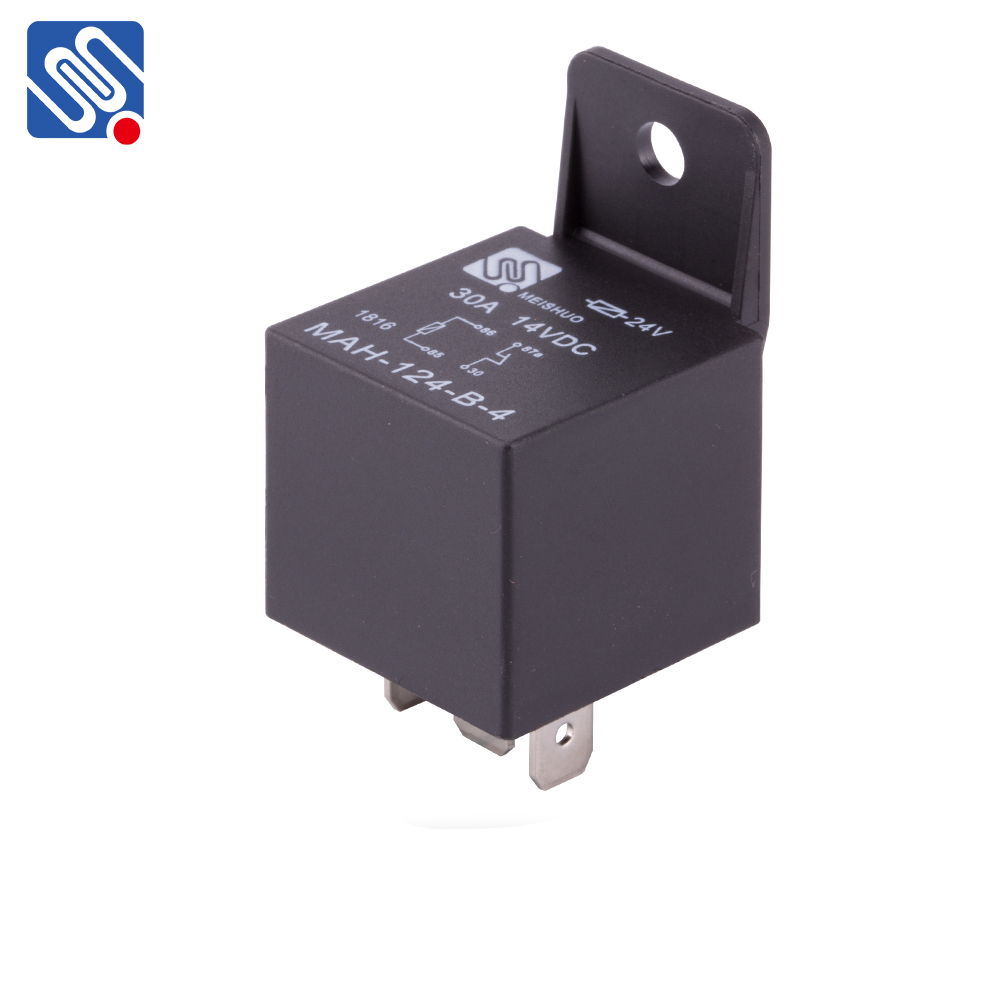
What is a Relay 24V?
A Relay 24V is an electromechanical switch that uses a 24-volt DC (direct current) signal to activate a set of contacts, allowing the relay to either open or close a circuit. Relays are widely used to control higher power circuits with low power control signals, essentially allowing for the remote control of electrical devices. The 24V variant is particularly common in industrial automation, where a consistent and standardized voltage is necessary for a variety of control systems.
The 24V relay is designed to work with 24V DC signals for its operation, and once energized, the coil of the relay generates a magnetic field that moves the armature. This mechanical movement opens or closes the contacts, allowing the relay to switch higher power circuits on or off.




 Chat Oline