mini solenoid valve: a compact solution for precise fluid control
Release time:2025-12-06 14:37:01
Mini solenoid valves are small yet powerful components used for controlling the flow of fluids in various applications. Despite their compact size, these valves are known for their high efficiency, reliability, and ability to precisely manage the flow of gases or liquids. Whether it's a household appliance, an industrial system, or a medical device, mini solenoid valves offer a compact solution to meet diverse flow control needs.
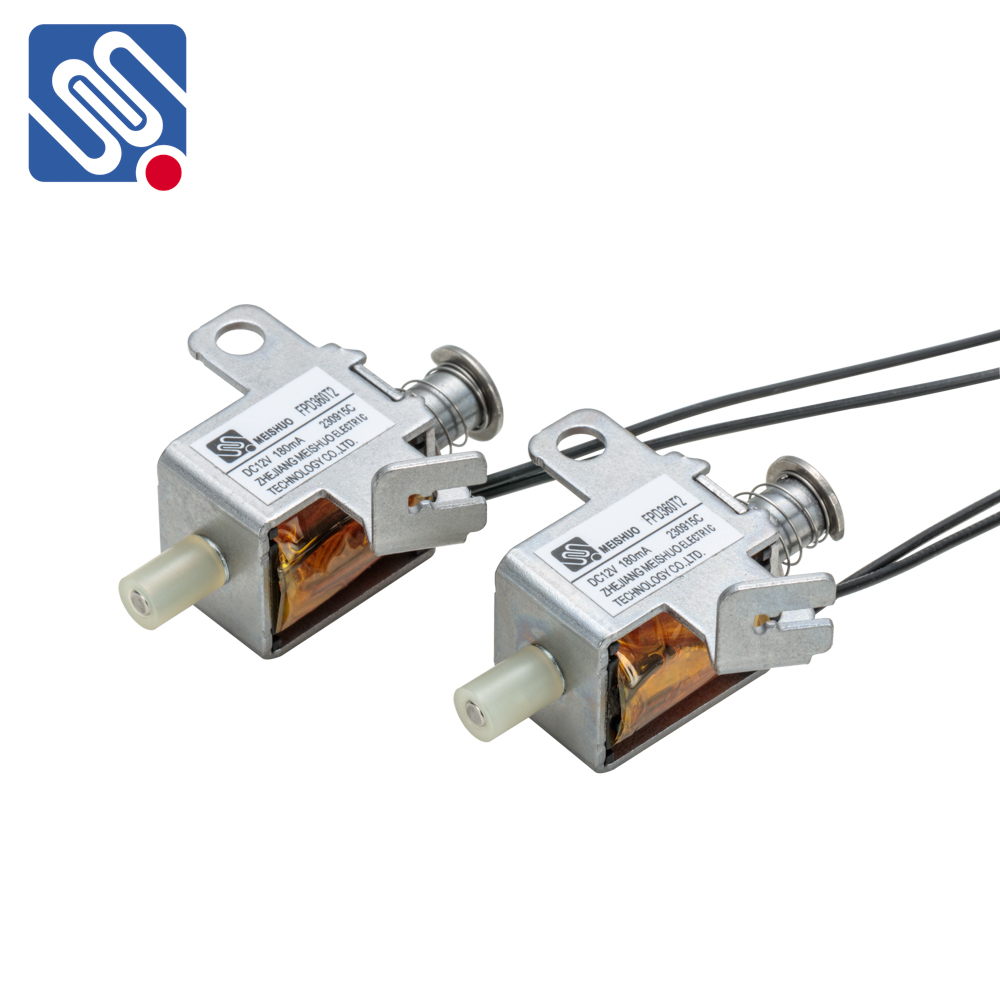
What is a Mini Solenoid Valve? A mini solenoid valve is a type of electrically operated valve that uses an electromagnetic coil to control the opening or closing of a valve. It is called "mini" because of its smaller size compared to traditional solenoid valves, making it ideal for applications where space is limited. The valve's mechanism typically consists of a solenoid coil, a plunger, and a spring, and it operates by converting electrical energy into mechanical force to open or close the flow path. When current flows through the solenoid coil, it generates a magnetic field, which pulls or pushes the plunger to either allow or stop the fluid from passing through the valve. The process is typically quick and efficient, allowing for rapid control of the fluid flow in the system.




 Chat Oline