ground fault protection relay: ensuring electrical safety and system protection
Release time:2025-12-06 14:35:44
In modern electrical systems, safety is paramount. One of the key components designed to protect both the equipment and personnel from potential electrical hazards is the Ground Fault Protection Relay (GFPR). These devices play a crucial role in detecting and isolating faults that occur due to unintended connections between electrical conductors and the ground. By understanding their working principle, applications, and benefits, it becomes evident why GFPRs are essential for ensuring the safe operation of power systems.
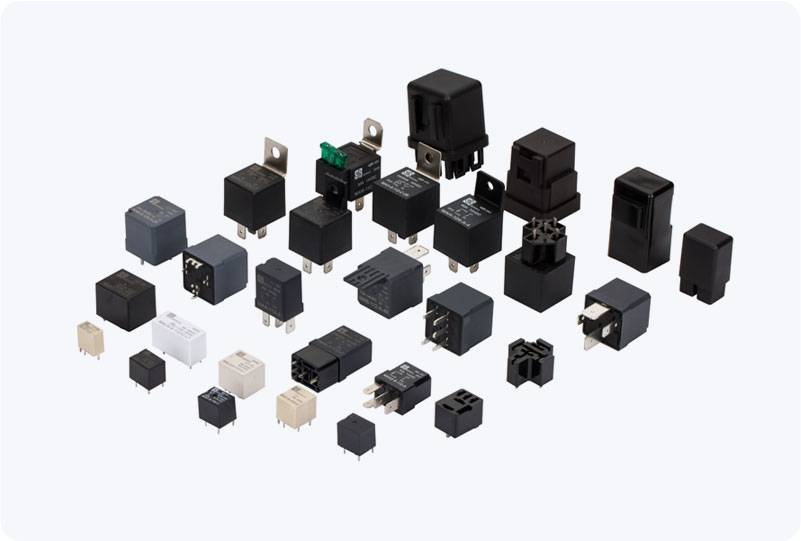
What is a Ground Fault Protection Relay? A Ground Fault Protection Relay is a type of protective relay designed to detect the occurrence of ground faults within an electrical power system. A ground fault occurs when an unintended connection is made between a conductor (typically an active or neutral conductor) and the ground. This can cause dangerous electrical currents to flow through unintended paths, posing significant risks to electrical equipment and the safety of personnel. The GFPR functions by sensing the flow of electrical current that results from such a fault and then activates protective measures, such as disconnecting the faulted circuit, to prevent further damage or hazards.




 Chat Oline