


FPD360A is the focus of this week's corporate technology feature from Meishuo Technology. Water infrastructure is entering a more connected phase in which sensing, software and physical control must work together. From intelligent appliances to distributed water-management equipment, engineers are looking for compact, clearly defined ways to turn an electrical command into a controlled fluid action. A solenoid valve is one of the key electromechanical links in that chain.
The wider water sector is also moving toward more proactive management. WaterWorld has reported that aging water systems, leakage and maintenance pressure are encouraging the use of AI and sensor technologies for earlier detection and more informed asset management. The lesson for product developers is practical: data is valuable only when the system can translate a detected condition into a controlled, verifiable response.
A modern water-control assembly is not a single device. It can include a sensor, a controller, a power interface, a valve, tubing or piping, mechanical supports and a service procedure. Each element has a defined role. Sensors observe conditions; software evaluates them; the actuator changes the state of the fluid path; and the overall system confirms whether the intended result has occurred.
This separation is important for reliable engineering communication. A valve should not be described as if it performs sensing or analytics by itself. Instead, its value should be considered within the complete architecture: it provides a physical switching action that can be coordinated with the system's control logic. That makes the component easier to evaluate, document and integrate.
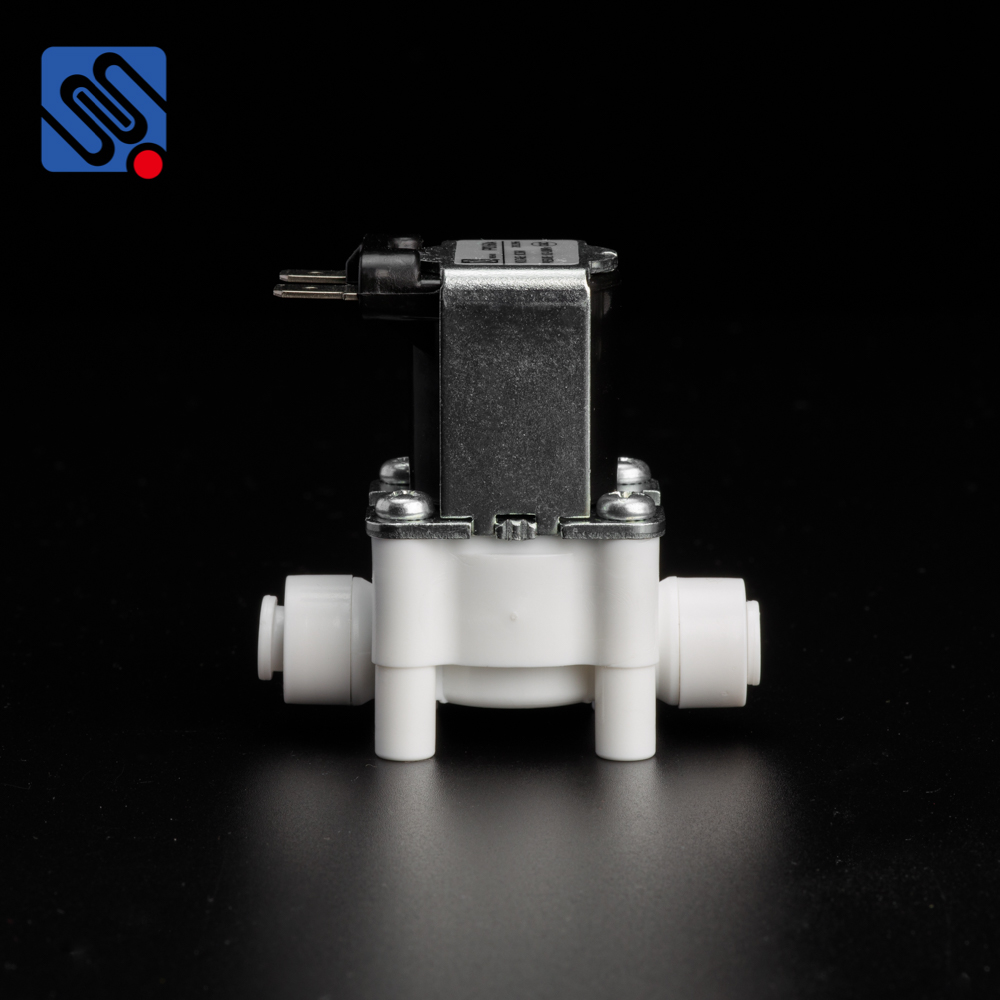
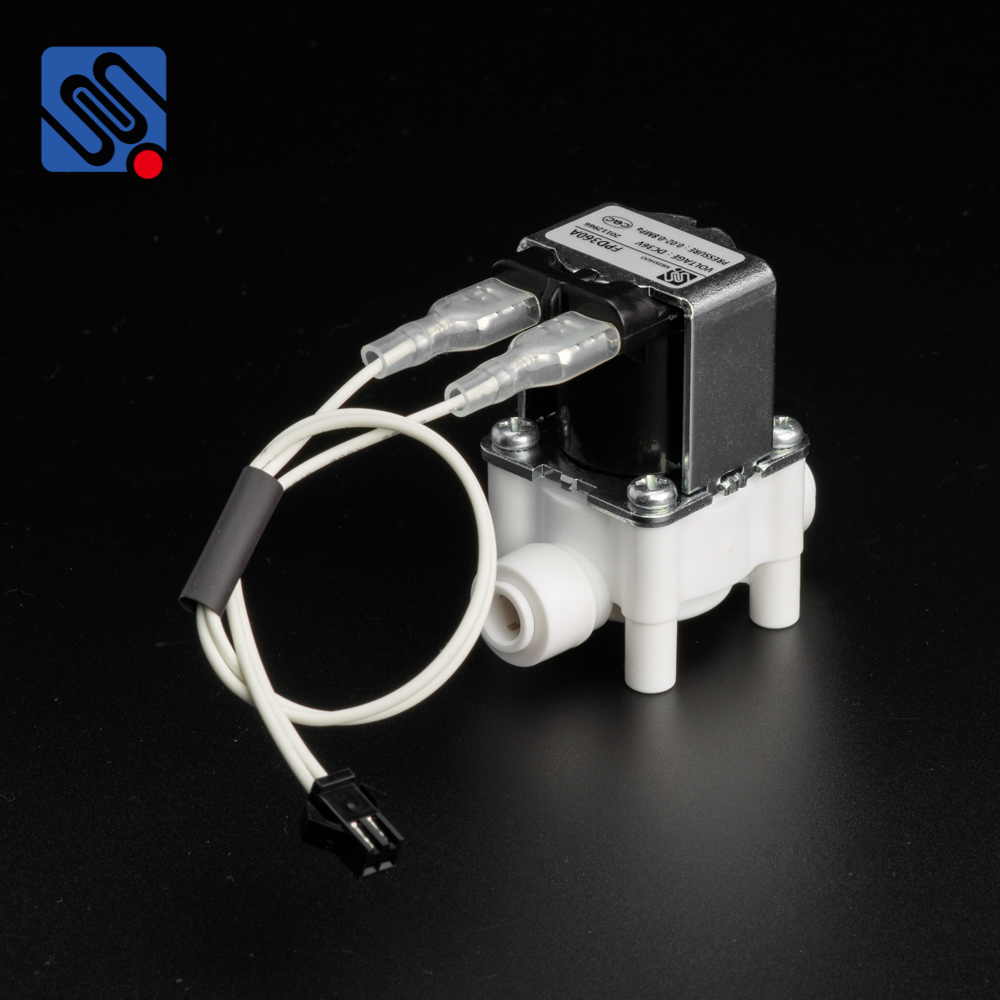
The FPD360A shown in the supplied product image is a compact solenoid-valve assembly with a white fluid-control body, a metal actuator structure and visible electrical terminals. These visible product details provide a useful starting point for a technical review, but they do not replace model documentation or application testing.
For an equipment designer, the first step is to define the fluid-control task. Is the valve used for appliance filling, isolation, process control, water routing or another function? What signal is available from the controller? What operating states must be handled during startup, normal operation, interruption and recovery? How will the system respond if the expected valve state is not achieved?
Answering these questions before final component selection helps prevent a common mistake: choosing a component from a broad category without checking the actual interface between the valve and the rest of the product.
Smart water concepts often begin with monitoring. A sensor may identify unusual flow, an unexpected operating duration or another condition that requires attention. The controller then interprets that information according to the equipment's rules. The valve becomes the physical point at which the system can change the water path.
The reliability of this sequence depends on more than the valve alone. The power supply, wiring, controller output, mechanical installation and fluid connections all influence the final result. A thoughtful design therefore includes both command and confirmation. The system should define what it means for the valve to be in the intended state and how abnormal behavior will be recorded or communicated.
This approach supports responsible product claims. It is more accurate to say that FPD360A can be evaluated as part of a controlled fluid path than to imply that one valve independently provides complete leak prevention, water-quality monitoring or AI functionality. Those outcomes belong to the complete system and require application-specific verification.
Connected appliances place special demands on fluid-control components because the valve must fit a physical product while also supporting an electronic control strategy. Engineers should review the following areas before approving a model for a specific design:
● the purpose of the fluid path and the required operating states;
● the electrical control interface and power conditions;
● the fluid, connection method and installation orientation;
● the temperature, humidity and contamination environment;
● the expected cycling and service conditions;
● the mechanical envelope, mounting and access for maintenance;
● the behavior required during power interruption or controller reset; and
● the applicable appliance, electrical and regional compliance requirements.
The exact values for these requirements must come from the selected model's technical documentation and the equipment specification. They should not be inferred from a product photograph or from the general FPD family name.
The next generation of water-related products will be judged not only by how much data they collect, but also by how reliably they act on that data. A well-designed system links detection, decision, actuation and confirmation in a way that can be tested and serviced.
FPD360A can be considered within that physical execution layer. Its role is straightforward: provide an electrically controlled fluid-control action inside a defined assembly. That clarity is valuable for product developers because it allows the valve to be assessed alongside the controller, sensor, power supply and plumbing rather than being treated as an isolated marketing feature.
For global customers, this system-level perspective also improves communication between purchasing, engineering and quality teams. A clear product identity, an unambiguous interface definition and model-specific validation help reduce interpretation gaps during sampling and production transfer. They also make it easier to explain what a component does—and what remains the responsibility of the complete equipment design.
The future of intelligent water management will combine sensing, analytics and physical control. Those technologies will be most useful when they are connected through clearly defined interfaces and verified operating procedures. Solenoid valves remain an essential part of that practical architecture because they turn electronic decisions into physical changes in a fluid path.
With FPD360A, designers have a concrete component to evaluate for connected appliance and smart water-control assemblies. The correct engineering method is not to promise a universal application, but to define the task, verify the interface, test the complete assembly and document the result. That disciplined approach supports more reliable products and more credible technology communication.

 Chat Oline