


In today's fast-paced technological world, the relay power supply plays a crucial role in ensuring the smooth operation of various electronic devices. This article delves into the significance of relay power supply, its working principles, and the factors that contribute to its efficiency. Let's explore the world of relay power supply and understand its importance in modern electronics.
**Introduction**
The relay power supply is an essential component in electronic circuits, serving as a bridge between the power source and the load. It ensures that the electrical energy is delivered safely and efficiently to the devices, thereby enhancing their performance and lifespan. In this article, we will discuss the various aspects of relay power supply, including its types, working principles, and the factors that affect its efficiency.
**Types of Relay Power Supply**
There are several types of relay power supply, each designed to cater to specific requirements. The most common types include:
1. **AC Relay Power Supply**: This type of power supply is used in applications where alternating current (AC) is required. It is commonly used in industrial and commercial settings.
2. **DC Relay Power Supply**: As the name suggests, this type of power supply provides direct current (DC) to the load. It is widely used in electronic devices, such as smartphones, laptops, and cameras.
3. **Transformer-based Relay Power Supply**: This type of power supply uses transformers to step up or step down the voltage levels. It is commonly used in power distribution systems.
4. **Switching Power Supply**: A switching power supply converts AC to DC by using a switching regulator. It is known for its high efficiency and compact size.
**Working Principles of Relay Power Supply**
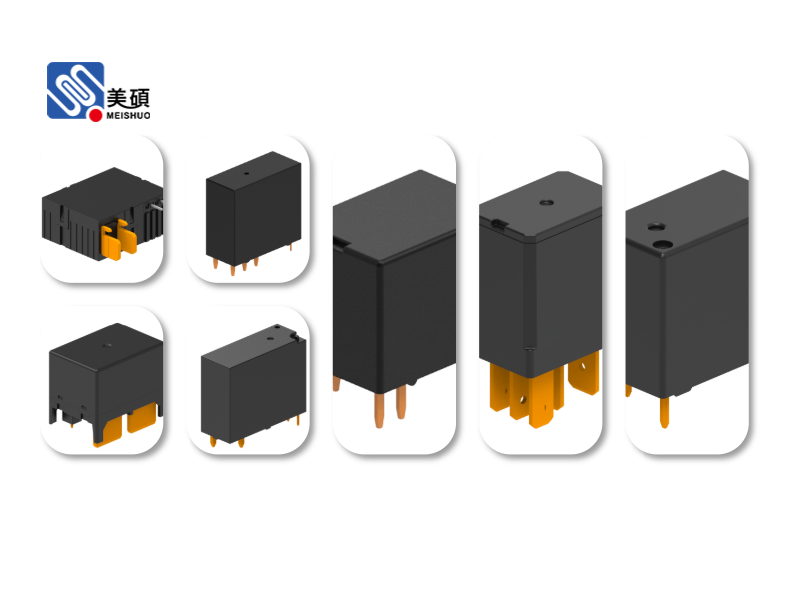
The relay power supply operates based on the principles of electromagnetic induction. When an electrical current flows through the relay coil, it generates a magnetic field. This magnetic field, in turn, attracts the armature, which is connected to the switch. As a result, the switch closes, allowing the electrical energy to flow to the load.
The relay power supply consists of several components, including:
1. **Relay Coil**: The relay coil is responsible for generating the magnetic field. It is made up of a wire wound around a core.
2. **Armature**: The armature is connected to the switch and moves when the magnetic field is generated.
3. **Switch**: The switch is connected to the load and closes when the armature moves, allowing the electrical energy to flow.
4. **Control Circuit**: The control circuit is responsible for energizing the relay coil, thereby controlling the operation of the relay power supply.
**Factors Affecting Efficiency**
Several factors contribute to the efficiency of a relay power supply. Some of the key factors include:
1. **Relay Quality**: The quality of the relay used in the power supply plays a crucial role in its efficiency. A high-quality relay ensures minimal energy loss and longer lifespan.
2. **Design**: The design of the relay power supply also affects its efficiency. A well-designed power supply ensures optimal energy transfer and reduced losses.
3. **Load Characteristics**: The characteristics of the load connected to the relay power supply also impact its efficiency. A load with high power requirements may lead to increased losses.
4. **Temperature**: The operating temperature of the relay power supply affects its efficiency. High temperatures can lead to increased resistance and energy loss.
**Conclusion**
In conclusion, the relay power supply is an essential component in electronic circuits, ensuring the safe and efficient delivery of electrical energy to various devices. By understanding the types, working principles, and factors affecting the efficiency of relay power supply, we can make informed decisions when designing and implementing electronic systems.

 Chat Oline
Welcome to www.msrelay.com (the "Site"), operated by Meishuo Electric ("Meishuo", "we", "us"). We respect your privacy and are committed to protecting the personal information you share with us. This Privacy & Cookie Policy explains what information we collect, how we use it, and the choices you have.
Information you provide: when you submit an inquiry or contact form, we collect your name, email address, phone number, country, and the content of your message, so that we can respond to your request and provide quotations or technical support.
Information collected automatically: when you browse the Site, we may automatically collect standard technical data such as your IP address, browser type and version, device type, pages visited, and time spent on pages. This data is used in aggregated form only.
The Site uses cookies and similar technologies for the following purposes:
• Essential cookies – required for the Site to function (for example, remembering your language preference or that you have dismissed the cookie notice).
• Analytics/performance cookies – help us understand how visitors use the Site so that we can improve its content and structure. These are only set with your consent.
You can accept or reject non-essential cookies via the cookie banner shown on your first visit. You may also delete or block cookies at any time through your browser settings; please note that disabling essential cookies may affect the functionality of the Site.
We use the information we collect to: respond to inquiries and provide customer support; process quotation and sample requests; improve and optimize the Site; ensure the security of the Site; and comply with legal obligations. We do not sell, rent, or trade your personal information to third parties for their marketing purposes.
We may share your information only with: service providers who help us operate the Site and our business (for example, website hosting and email delivery services), bound by confidentiality obligations; or where required by law, regulation, or legal process.
We take reasonable technical and organizational measures to protect your personal information against unauthorized access, loss, or alteration. Inquiry data submitted through the Site is transmitted to and stored on servers managed for our business use only.
Depending on your location, you may have the right to request access to, correction of, or deletion of your personal information held by us, and to object to or restrict certain processing. To exercise these rights, please contact us using the details below.
The Site may contain links to third-party websites. We are not responsible for the privacy practices or content of those websites, and we encourage you to review their privacy policies.
We may update this Privacy & Cookie Policy from time to time. The current version is always available on this page, and the "Last updated" date below reflects the most recent revision.
If you have any questions about this Privacy & Cookie Policy or our handling of your personal information, please contact us:
Meishuo Electric
Email: ms@msrelay.com
Phone/WhatsApp: +86-18357779662
Address: Wenzhou, Zhejiang, P.R. China
Last updated: November 12, 2026