


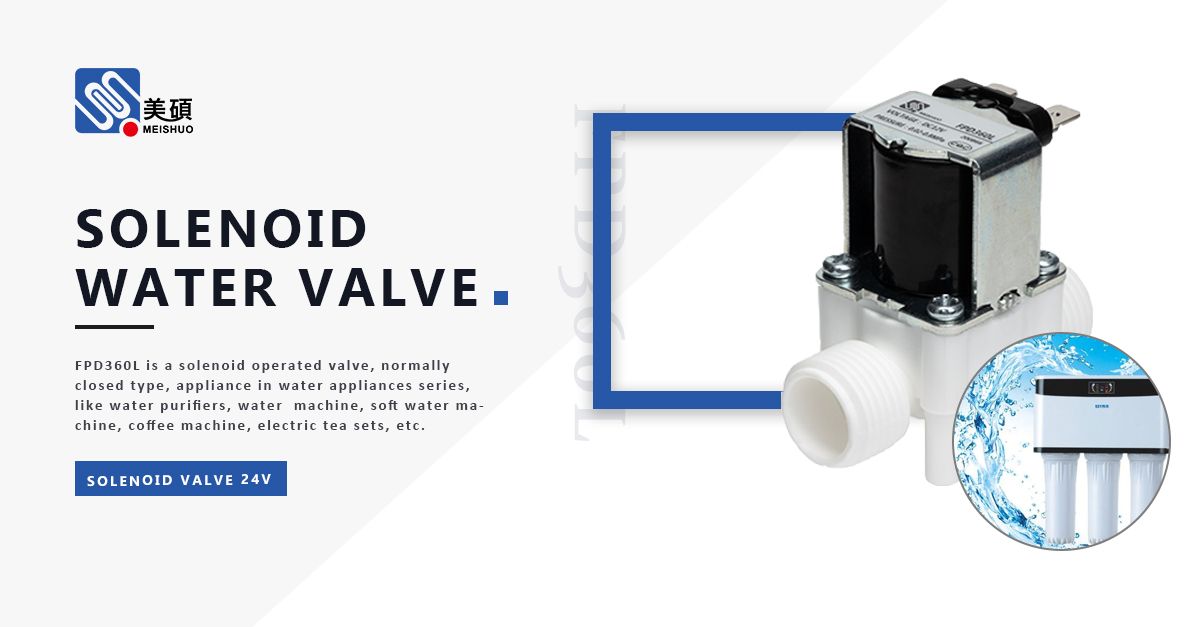
In the era of Industry 4.0, the factory floor is becoming increasingly autonomous, and urban infrastructure is turning “smart.” At the heart of this transformation lies a component often overlooked yet critically important: the solenoid valve. No longer just a simple on/off switch for fluid flow, today’s electromagnetic water valve has evolved into a smart, connected actuator that bridges the physical world of hydraulics with the digital realm of IoT.
From Manual Control to Predictive Intelligence
Traditional fluid control relied on manual operation or basic electrical signals. In contrast, modern smart solenoid valves are equipped with position sensors, wireless communication modules (such as LoRaWAN and NB-IoT), and embedded microprocessors. According to recent market analysis, the global smart valve market is projected to grow at a CAGR of 11.2% from 2024 to 2030, driven by the demand for energy efficiency and remote monitoring.
In industrial settings, these valves enablepredictive maintenance. By continuously transmitting data on cycle counts, response time, and voltage fluctuations, a smart solenoid valve can alert facility managers to wear and tear before a failure occurs. This reduces unplanned downtime by up to 45%, translating to significant cost savings for automated production lines.
Empowering Smart Water Management
Beyond the factory, the concept ofSmart Water Management(SWM) is redefining how municipalities and commercial buildings handle water resources. Aging infrastructure often suffers from leakage rates as high as 30% in some urban systems. Smart electromagnetic valves are now serving as the “digital muscles” of water networks.
Integrated with flow meters and cloud-based SCADA systems, these valves allow for:
· Remote shut-off:In the event of a burst pipe or leak detection, operators can close the valve instantly via a tablet, minimizing water loss.
· Pressure optimization:Real-time data allows the system to adjust pressure dynamically, reducing stress on pipes and cutting energy consumption for pumping by 15-20%.
Seamless Integration for Industrial Automation
For manufacturers looking to upgrade their facilities, the compatibility of these valves with standard industrial protocols is key. Modern electromagnetic water valves now support IO-Link and OPC-UA, allowing them to seamlessly integrate into the broaderIndustrial Internet of Things (IIoT)architecture. This ensures that fluid control is no longer an isolated subsystem but a contributing data point to overall manufacturing intelligence.
Conclusion
As we advance toward fully autonomous factories and sustainable urban ecosystems, the role of the solenoid valve is being rewritten. It is no longer merely a component; it is a critical sensor-actuator hybrid that provides transparency, efficiency, and control. For businesses engaged in industrial automation or water infrastructure projects, adopting intelligent fluid control technology is not just an upgrade—it is a strategic necessity for staying competitive in a connected world.
At MEISHUO, we specialize in providing next-generation electromagnetic valves designed for the challenges of Industry 4.0. Contact us to learn how our smart fluid control solutions can optimize your operations.

 Chat Oline