


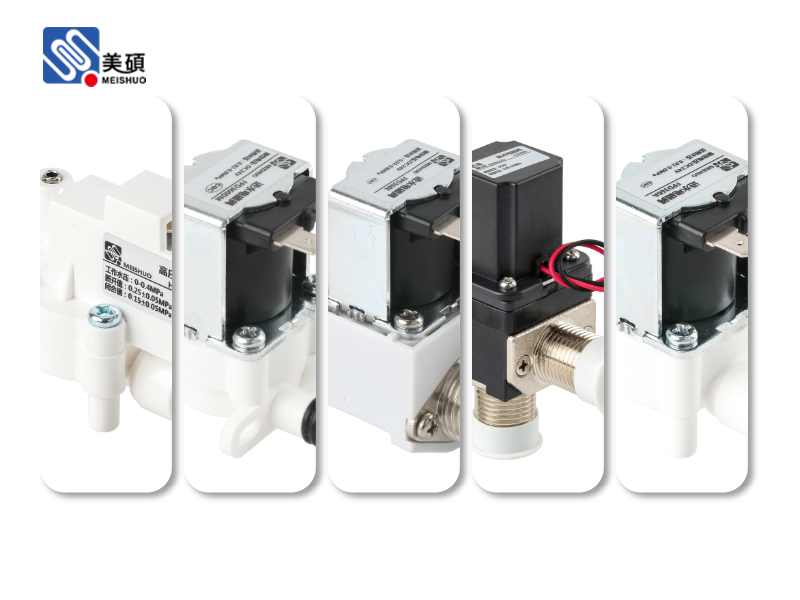
Filtration systems are the unsung guardians of industrial fluid management, ensuring that liquids and gases remain free from contaminants that could compromise equipment performance and product quality. At the heart of these systems lies a critical component that often goes unnoticed but plays a pivotal role in their operation—the Filtration System Solenoid Valve. This small yet powerful device is responsible for controlling the flow of fluids, making it an essential part of any filtration setup.
Solenoid valves work on a simple yet effective principle: an electric current passes through a coil, creating a magnetic field that actuates a plunger or diaphragm, which in turn opens or closes the valve. In filtration systems, this mechanism is used to regulate the flow of fluid through the filter media, backwash the filter when it becomes clogged, and drain accumulated contaminants. Without this precise control, filtration systems would be unable to maintain optimal performance, leading to increased downtime and maintenance costs.
One of the key advantages of using solenoid valves in filtration systems is their ability to respond quickly to changing conditions. Unlike manual valves, which require human intervention, solenoid valves can be activated in milliseconds, allowing for real-time adjustments to flow rates and pressure levels. This rapid response is particularly important in applications where fluid purity is critical, such as in pharmaceutical manufacturing, food and beverage processing, and water treatment plants. By ensuring that the filter is always operating at peak efficiency, solenoid valves help to minimize the risk of product contamination and equipment failure.
Another benefit of solenoid valves is their versatility. They can be designed to handle a wide range of fluids, including water, oil, chemicals, and gases, and can operate at high pressures and temperatures. This makes them suitable for use in almost any industrial setting, from small-scale laboratory filtration systems to large-scale industrial plants. Additionally, solenoid valves are available in a variety of materials, such as stainless steel, brass, and plastic, allowing them to be tailored to specific application requirements. For example, stainless steel valves are ideal for corrosive environments, while plastic valves are lightweight and cost-effective for non-critical applications.
In filtration systems, solenoid valves are typically used in conjunction with other components, such as pressure sensors, flow meters, and controllers, to create a fully automated system. These systems can be programmed to monitor filter performance, detect when the filter is clogged, and initiate a backwash cycle to clean the filter media. During backwashing, the solenoid valve opens to reverse the flow of fluid, dislodging accumulated contaminants and flushing them out of the system. This process helps to extend the life of the filter media and reduce the frequency of manual cleaning, saving time and money for the operator.
Despite their many advantages, solenoid valves are not without their challenges. One of the main issues is the potential for wear and tear on the valve components, particularly the seal and plunger. Over time, repeated actuation can cause these parts to degrade, leading to leaks and reduced performance. To mitigate this, manufacturers have developed solenoid valves with durable materials and advanced sealing technologies, such as PTFE seals and ceramic plungers, which can withstand millions of cycles without failure. Additionally, regular maintenance and inspection are essential to ensure that the valves are operating correctly and to identify any potential issues before they become major problems.
Another challenge is the selection of the right solenoid valve for a specific application. With so many options available, it can be difficult to determine which valve will best meet the requirements of the filtration system. Factors such as fluid type, pressure, temperature, flow rate, and voltage must all be considered when selecting a valve. Working with a knowledgeable supplier or engineer can help to ensure that the right valve is chosen, minimizing the risk of compatibility issues and maximizing system performance.
In conclusion, the Filtration System Solenoid Valve is a critical component that plays a vital role in ensuring the efficiency and reliability of industrial filtration systems. Its ability to provide precise, rapid control over fluid flow makes it an essential part of any filtration setup, while its versatility and durability make it suitable for a wide range of applications. By understanding the importance of solenoid valves and selecting the right one for their needs, operators can ensure that their filtration systems operate at peak performance, reducing downtime, maintenance costs, and the risk of product contamination. As industrial processes continue to become more complex and demanding, the role of the Filtration System Solenoid Valve will only become more important, making it an unsung hero of modern fluid management.

 Chat Oline