


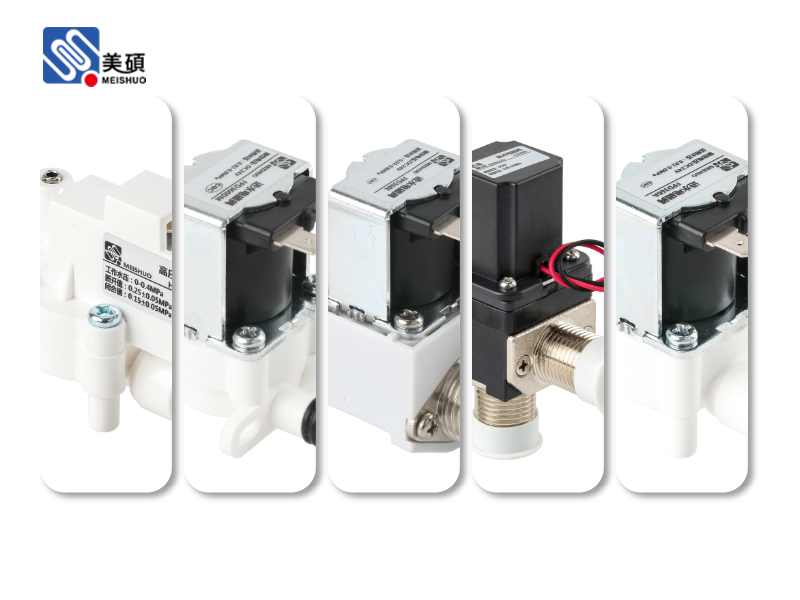
Plastic solenoid valves have emerged as versatile components in fluid control systems, offering unique benefits compared to their metal counterparts. These valves utilize electromagnetic force to control the flow of liquids or gases, making them essential in various industrial, commercial, and residential applications.
One of the most significant advantages of plastic solenoid valves is their corrosion resistance. Unlike metal valves that can rust or degrade when exposed to harsh chemicals, acids, or saltwater, plastic valves maintain their integrity over time. This property makes them ideal for applications involving aggressive fluids, such as chemical processing plants, water treatment facilities, and agricultural irrigation systems.
Another key benefit is their lightweight nature. Plastic valves are significantly lighter than metal alternatives, which simplifies installation and reduces transportation costs. This weight advantage is particularly valuable in industries where space and weight constraints are critical, such as aerospace, automotive manufacturing, and portable equipment design.
Plastic solenoid valves also offer excellent thermal insulation properties. They can withstand a wide range of temperatures without losing functionality, making them suitable for both high-temperature industrial processes and cryogenic applications. Additionally, their low thermal conductivity helps prevent heat loss in heating systems and reduces condensation in cooling applications.
Cost-effectiveness is another compelling factor. Plastic materials are generally less expensive than metals like stainless steel or brass, allowing manufacturers to produce valves at a lower cost. This affordability makes plastic solenoid valves accessible to small businesses and budget-conscious projects without compromising on performance.
In terms of applications, plastic solenoid valves are widely used in the medical industry. They play a crucial role in dialysis machines, dental equipment, and laboratory instruments where precision fluid control is essential. Their non-reactive properties ensure that they do not contaminate sensitive medical fluids, maintaining the integrity of diagnostic and treatment processes.
The food and beverage industry also benefits from plastic solenoid valves. These valves are used in bottling plants, brewing equipment, and dairy processing lines, where hygiene and cleanliness are paramount. Plastic's smooth surfaces and resistance to bacterial growth make them easy to clean and sanitize, meeting strict food safety standards.
In the automotive sector, plastic solenoid valves are integrated into fuel systems, emission control devices, and climate control systems. Their lightweight design contributes to improved fuel efficiency, while their durability ensures reliable performance under extreme driving conditions.
Water management systems rely heavily on plastic solenoid valves for irrigation, plumbing, and wastewater treatment. These valves can handle varying water pressures and are resistant to mineral buildup, reducing maintenance requirements and extending service life.
Despite their many advantages, plastic solenoid valves do have limitations. They may not be suitable for extremely high-pressure applications where metal valves offer greater structural integrity. Additionally, certain plastics can degrade when exposed to prolonged UV radiation, necessitating protective measures in outdoor installations.
As technology advances, manufacturers continue to develop innovative plastic materials that enhance the performance of solenoid valves. New composite plastics offer increased strength and temperature resistance, expanding the range of applications for these versatile components.
In conclusion, plastic solenoid valves represent a cost-effective, durable, and versatile solution for fluid control needs across diverse industries. Their corrosion resistance, lightweight design, and thermal properties make them an attractive alternative to traditional metal valves. As industries continue to prioritize efficiency, sustainability, and cost reduction, the demand for high-quality plastic solenoid valves is expected to grow, driving further innovation in this field.

 Chat Oline