


Relay testing equipment plays a crucial role in maintaining the safety and reliability of electrical systems by ensuring that relays function correctly under various operating conditions. Relays, which are electrical switches used to control the flow of electricity in circuits, are essential components in power systems, industrial automation, and even transportation. Testing these relays is vital to ensure their performance, prevent faults, and protect valuable equipment from damage. This article delves into the importance, functionality, and various types of relay testing equipment used in different industries.
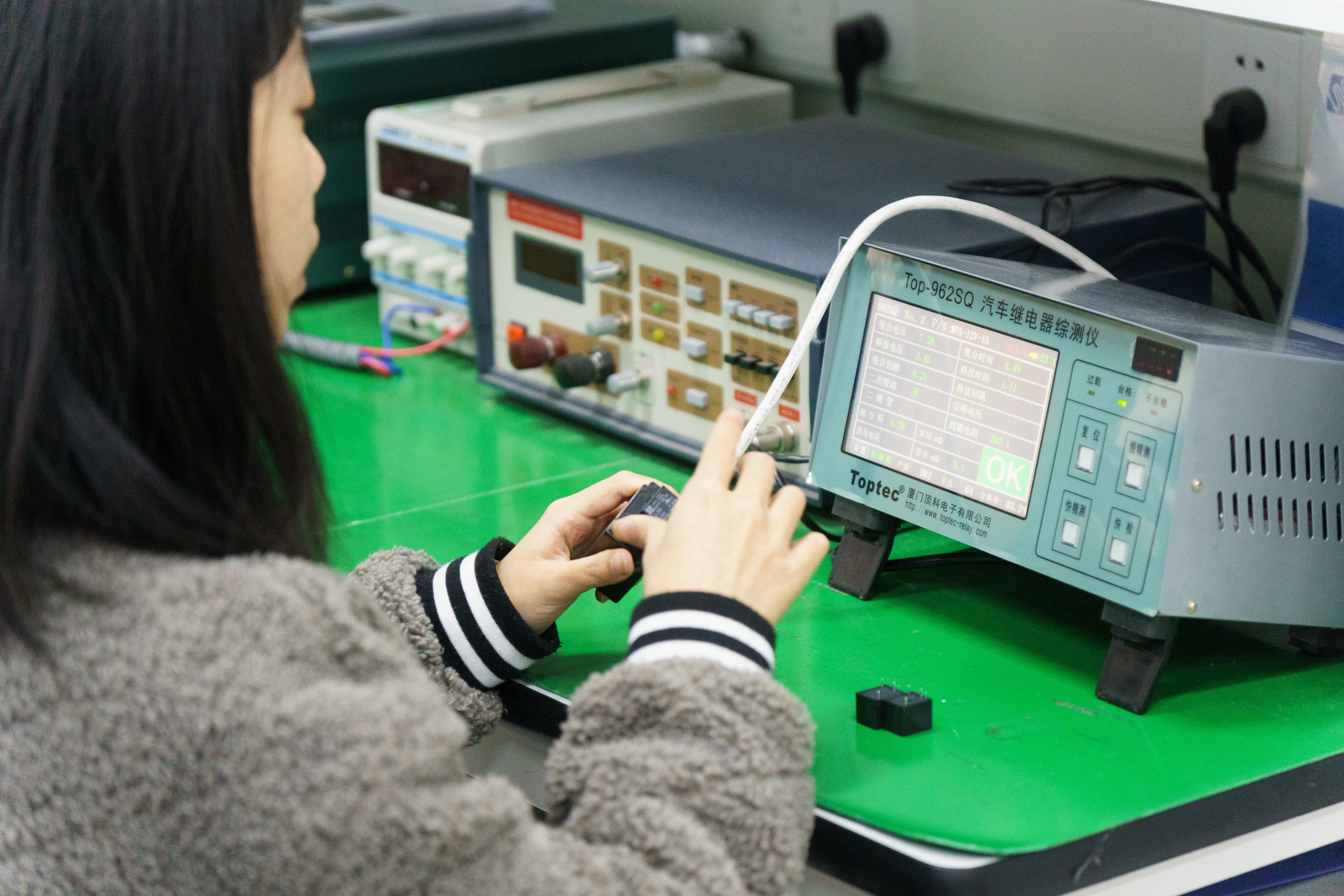
The Importance of Relay Testing Relays are used to control various electrical devices by opening or closing contacts in response to an external signal. Whether in power plants, substations, or industrial machinery, these devices help ensure that systems run smoothly. However, any malfunction in a relay can lead to catastrophic consequences, such as equipment failure, power outages, or even system damage. Therefore, regular testing of relays is critical for preventing such issues. Testing equipment for relays ensures that the components respond appropriately to input signals, function within specified timing parameters, and maintain contact resistance within acceptable limits. If a relay fails to operate correctly, it may cause damage to the electrical system or lead to expensive downtime.

 Chat Oline