relay assembly techniques: an in-depth exploration of methods and applications
Release time:2026-01-25 01:02:02
Relay assembly techniques represent a critical aspect of electrical and electronic engineering, focusing on the efficient integration of relays and associated components to manage and protect circuits. Relays are electro-mechanical switches that control larger currents and voltages by using a low-power signal. This article delves into various relay assembly techniques, their types, methods, considerations, and applications, highlighting their significance in modern electronic systems.
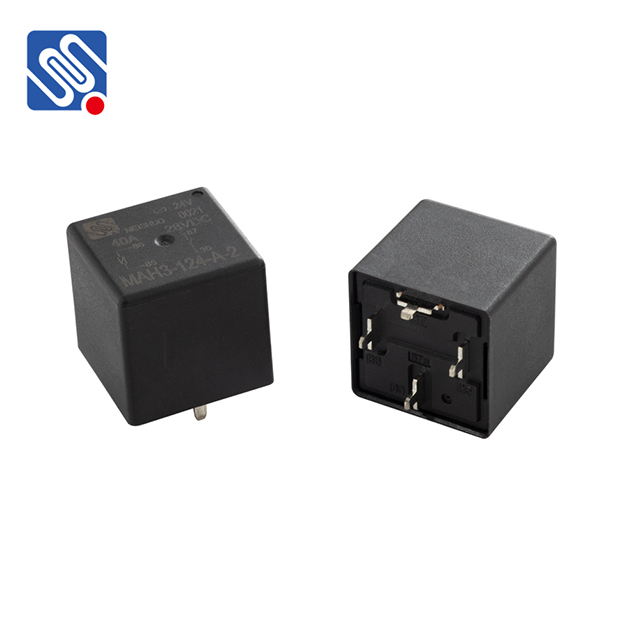
Types of Relays
Before discussing assembly techniques, it is essential to understand the different types of relays commonly used in the industry.
Electromechanical Relays (EMR): These use an electromagnetic coil to mechanically move a switch. EMRs can handle high voltages and currents, making them suitable for a wide range of applications.
Solid State Relays (SSR): These utilize semiconductor devices to perform switching operations without moving parts. SSRs are known for their high speed, reliability, and longevity, while producing less electromagnetic interference.
Time Delay Relays: These relays provide delayed activation of a circuit based on preset time parameters. They are crucial in applications requiring timed operations, such as industrial machinery and HVAC systems.




 Chat Oline