understanding high current relay: essential components in electrical systems
Release time:2026-01-25 00:51:38
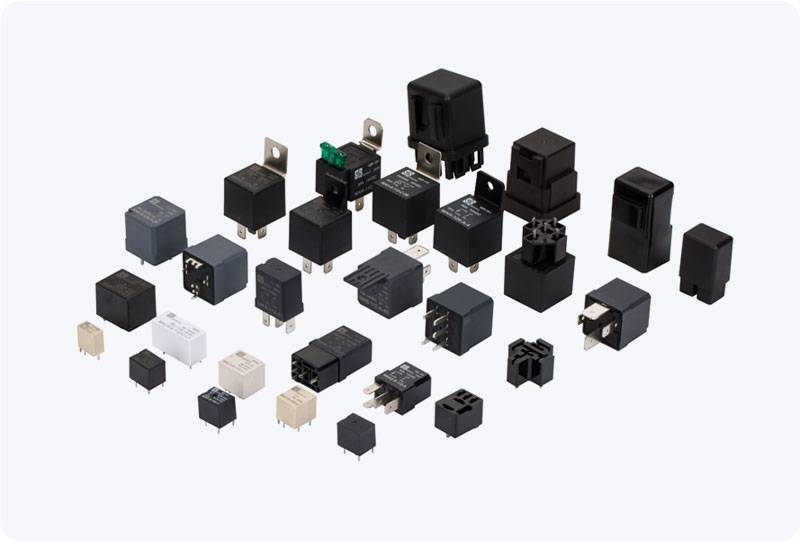
High Current Relays are integral components in various electrical systems designed to manage and control high power loads effectively. These relays allow for the switching of substantial amounts of current, making them indispensable in industrial automation, automotive applications, and power distribution systems. As the demand for efficiency in electrical systems continues to rise, understanding the functionality, applications, and considerations involved with High Current Relays becomes crucial.
Working Principle of High Current Relays
At the heart of a High Current Relay’s operation is an electromagnetic mechanism. When an electrical current flows through the coil of the relay, it generates a magnetic field that attracts a movable armature. This movement opens or closes a set of contacts, thereby either completing or breaking the circuit for the load. The ability to switch high currents without a direct connection to the load makes relays an essential component in managing large power loads safely.
Key Components
High Current Relays typically consist of several key components:




 Chat Oline