understanding the role of reverse osmosis solenoid valve in water purification systems
Release time:2026-01-24 21:39:11
Reverse osmosis (RO) has emerged as a vital technology in the field of water purification, catering to the growing demand for clean and safe drinking water. One of the key components that facilitate the efficient functioning of an RO system is the solenoid valve. This article delves into the intricacies of the Reverse Osmosis Solenoid Valve, exploring its working principle, applications, types, and maintenance considerations.
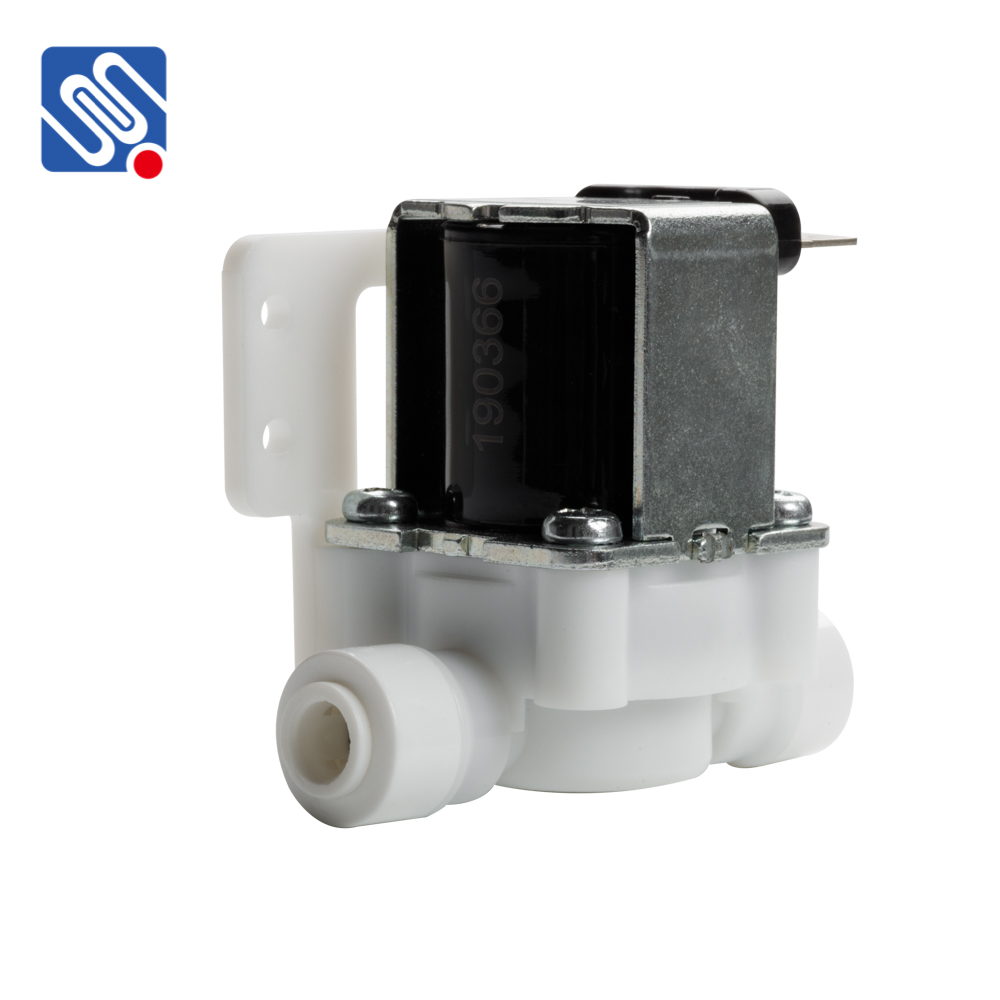
Introduction to Reverse Osmosis Solenoid Valve
A Reverse Osmosis Solenoid Valve is an electromechanical device that controls the flow of water in an RO system. It operates based on the principles of electromagnetism, utilizing a coil that, when electrified, creates a magnetic field. This magnetic field acts upon a movable component, typically a plunger or diaphragm, which opens or closes the valve, regulating the flow of water.
How It Works
At its core, the solenoid valve comprises three main components: the solenoid coil, the valve body, and the actuator. When electrical current flows through the coil, it generates a magnetic field, drawing the plunger or diaphragm into the coil. This movement either opens the valve to allow water to pass or closes the valve to stop the flow, depending on the design (normally open or normally closed).




 Chat Oline