understanding the 12v 40a relay: applications, benefits, and features
Release time:2026-01-20 10:17:01
In today’s rapidly evolving technological landscape, electrical components play a crucial role in ensuring the efficient operation of various devices and systems. One such essential component is the relay, specifically the 12V 40A relay, which has become a standard tool in both automotive and industrial applications. This article aims to delve into the workings, advantages, applications, and considerations of using a 12V 40A relay in different environments.
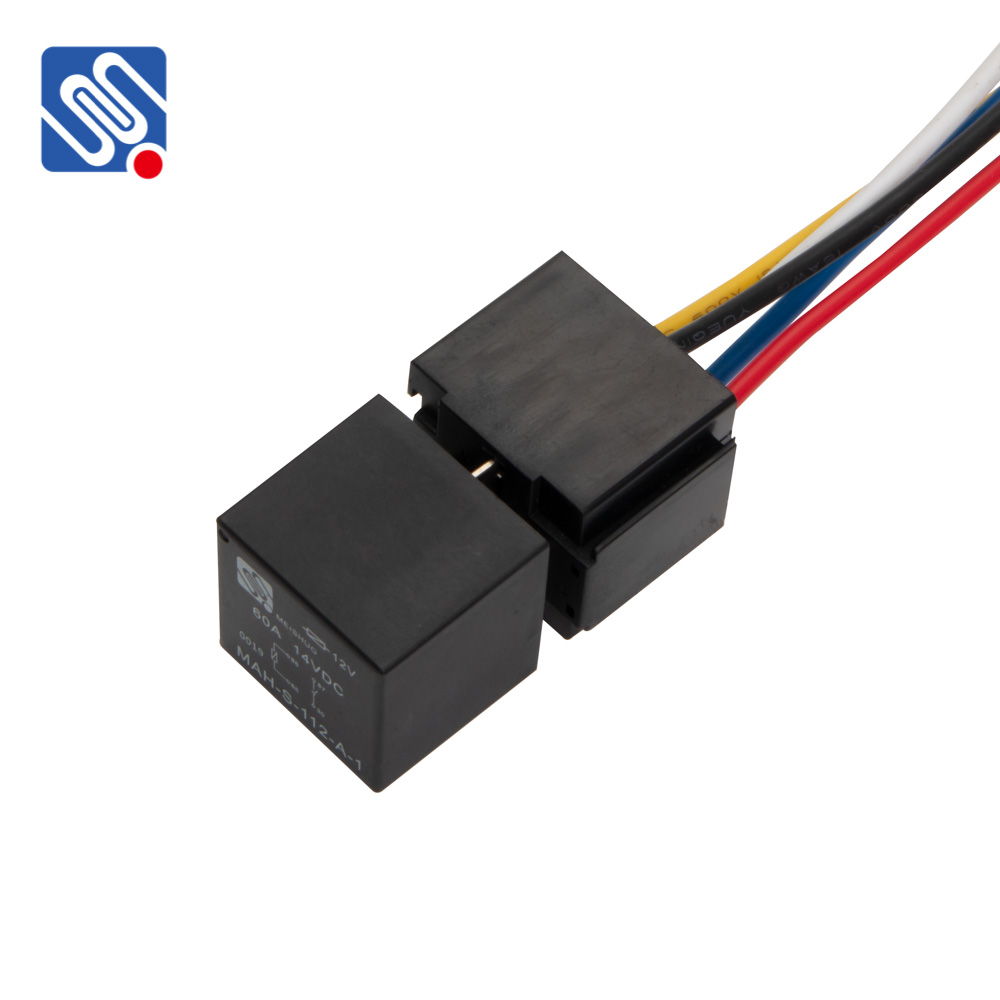
What is a 12V 40A Relay?
A relay is an electromechanical switch that uses an electromagnetic coil to open or close contacts in another circuit. The term “12V 40A relay” indicates that the relay is designed to operate on a 12-volt direct current (DC) supply and can handle a maximum current of 40 amperes. The construction of these relays typically includes a coil, a magnetic armature, and contacts. When voltage is applied to the coil, it generates a magnetic field that pulls the armature, causing the contacts to either close or open, thereby controlling the connected load.
Working Principle




 Chat Oline