


In the intricate world of automotive electronics, car relays play a crucial role in controlling various electrical circuits with efficiency and precision. A relay acts as an electromechanical switch that allows low power circuits to control higher power circuits, thereby safeguarding the components and enhancing safety. This article delves into the different types of car relays, their functions, applications, and features to provide a thorough understanding of this essential automotive device.
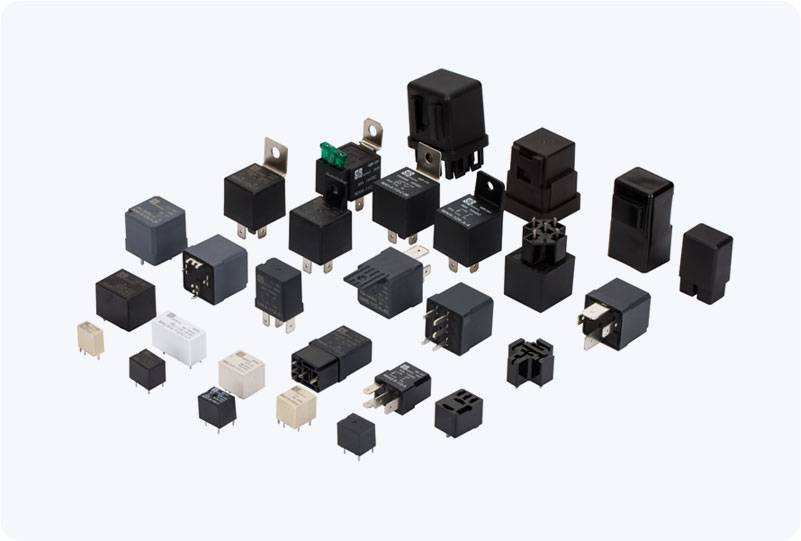
A car relay is essentially a switch that opens and closes circuits electromechanically or electronically. It consists of a coil, an armature, and a set of contacts. When an electric current passes through the coil, it creates a magnetic field that moves the armature, which in turn either opens or closes the contacts. By controlling a small current circuit, a relay can control a larger current circuit, making it an indispensable part of automotive electrical systems.
Types of Car Relays
Electromechanical Relays (EMR)
Electromechanical relays are the tditional type of car relays. They use electromagnetic principles to open and close contacts. Once activated, these relays physically move, making them highly reliable for a range of applications in automotive systems. Common uses include controlling headlights, fuel pumps, and starter motors.ra

 Chat Oline