understanding relay assembly: the backbone of modern electrical systems
Release time:2026-01-19 20:30:36
Relay assemblies are crucial components in various electrical and electronic systems. These assemblies consist of relays, which are electromagnetic switches used to control the flow of electricity. Relay assemblies serve as integral parts of automation, automotive, industrial, and telecommunications systems, providing safety, efficiency, and enhanced control over electrical circuits. In this article, we will explore the structure, functions, and applications of relay assemblies, highlighting their significance in modern technology.
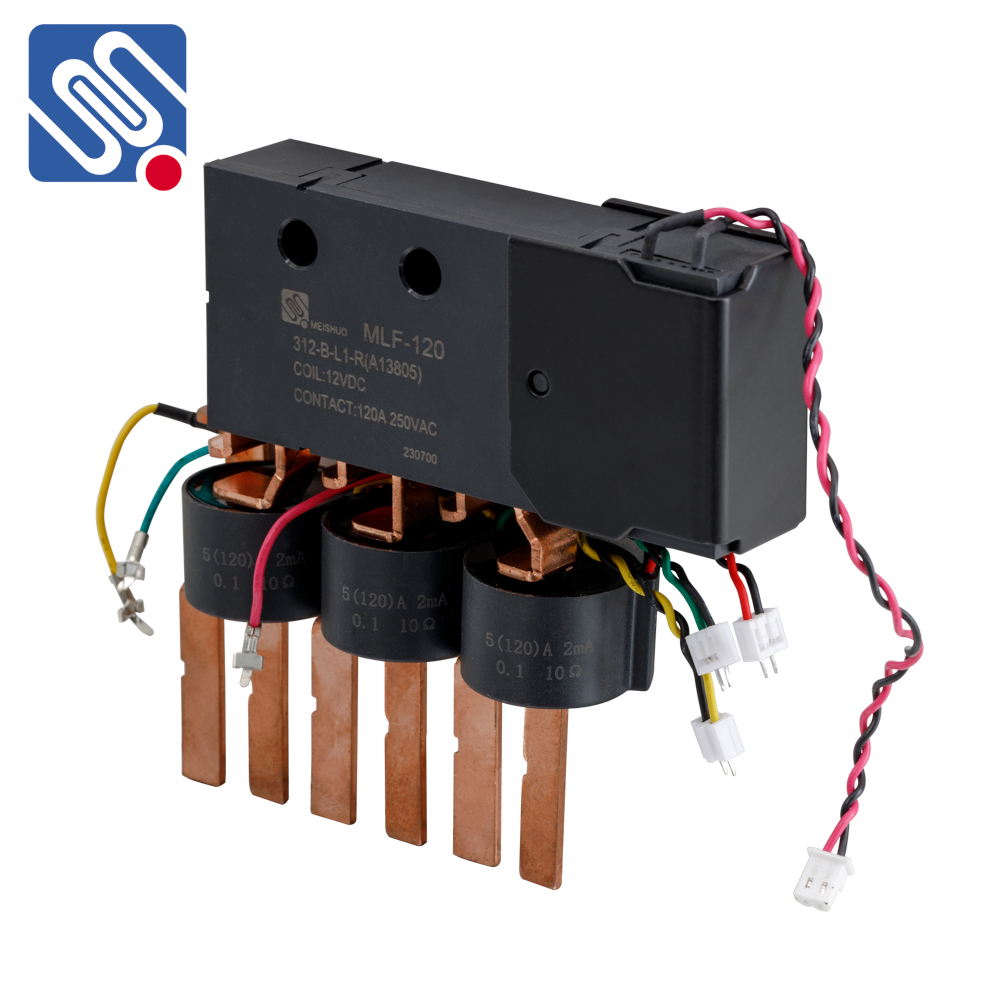
What is a Relay Assembly?
At its core, a relay assembly is a system composed of multiple relays and associated components, designed to control the operation of electrical circuits. A relay itself is an electrically operated switch that uses an electromagnet to open or close a set of contacts. When an electrical current passes through the coil of a relay, it generates a magnetic field that either attracts or repels the armature, which, in turn, activates the switch. This action allows the relay to control a much larger electrical current with a much smaller input signal, making it a key component in automation and control systems.




 Chat Oline