the importance and applications of water solenoid valves in modern systems
Release time:2026-01-19 11:39:22
Water solenoid valves are a critical component in modern fluid control systems, providing efficient and automated water flow management across various applications. These valves leverage the power of electromagnetic technology to control the flow of water, ensuring precise operation in residential, industrial, and agricultural settings. This article will explore the structure, functionality, advantages, and diverse applications of water solenoid valves, shedding light on their significance in today's technology-driven world.
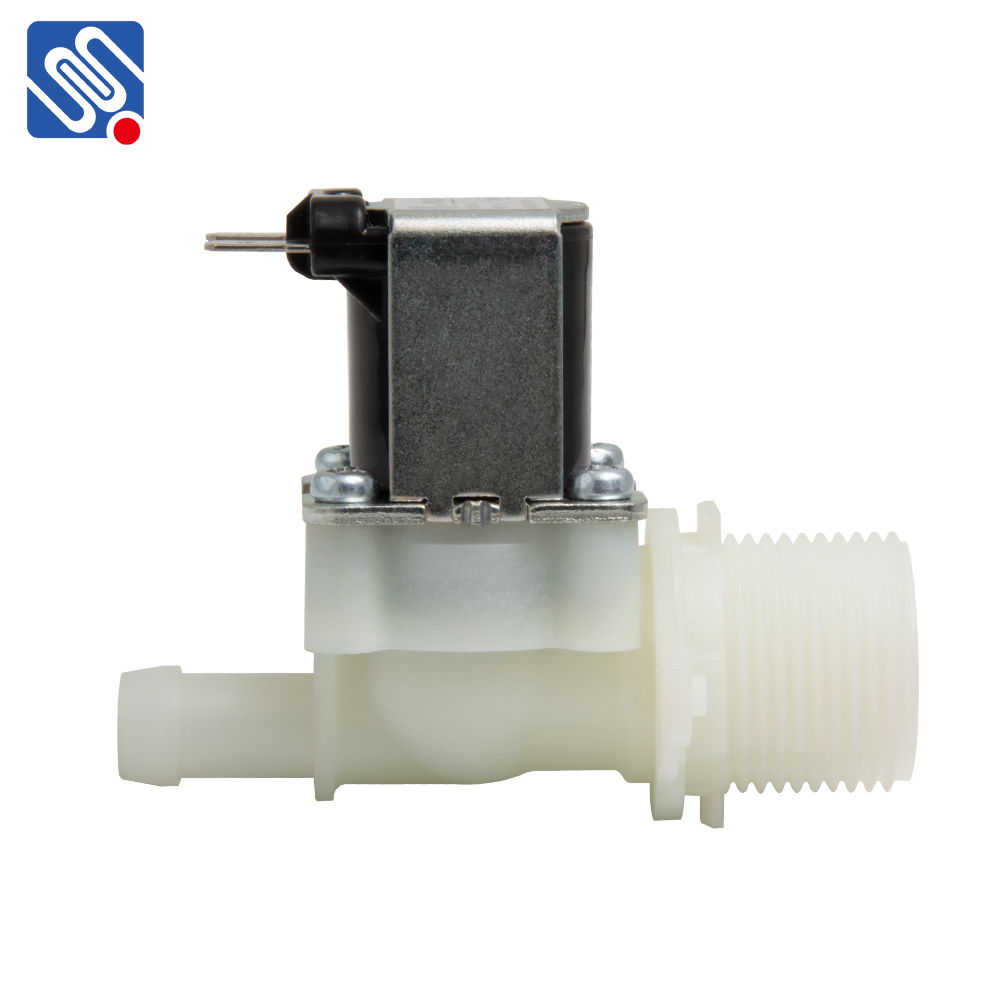
What is a Water Solenoid Valve?
A water solenoid valve is an electromechanical device used to regulate the flow of water in a system. The valve operates based on an electric current that energizes a solenoid, creating a magnetic field that moves a plunger or diaphragm, thereby opening or closing the valve. This mechanism allows for quick, reliable, and precise control over the water flow, making solenoid valves an ideal choice for automated systems.
Water solenoid valves are typically designed with a simple structure, consisting of a solenoid coil, valve body, plunger or diaphragm, and the associated electrical components. The most common designs are normally open or normally closed, depending on whether the valve allows water flow when unpowered or when powered. The ability to control water flow remotely through electrical signals makes these valves an essential part of many automated systems.
Next article:there is none left!
Return to List




 Chat Oline