understanding time relay: the essential component for automation
Release time:2026-01-19 10:03:34
In recent years, automation has transformed numerous industries, enhancing efficiency and precision while reducing the need for human intervention. One vital component that plays a significant role in such automated systems is the time relay. This electrical device not only improves the functionality of machines and processes but also contributes to safety and performance. In this article, we will delve into the definition, working principle, types, applications, and advantages of time relays.
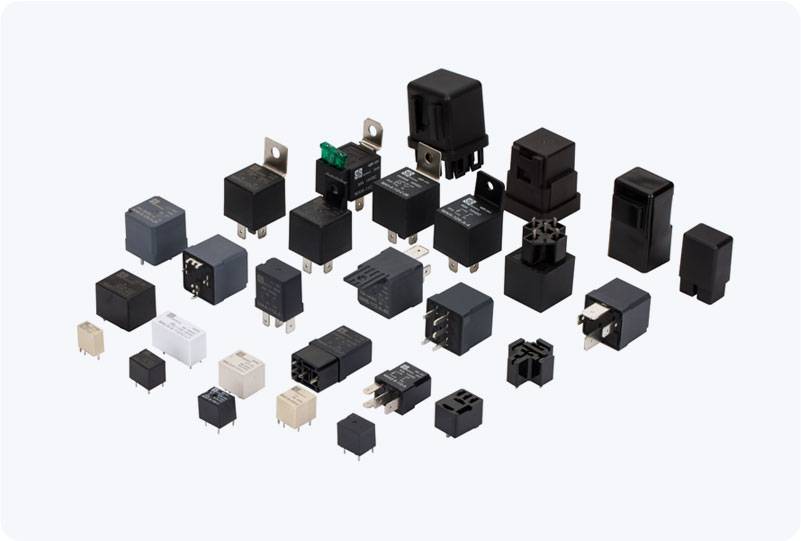
What is a Time Relay?
A time relay is an electrical device designed to control the timing of operations in various electrical circuits. It enables devices to operate based on predetermined time intervals, allowing for automatic ON and OFF control of different electrical loads. These relays are especially prevalent in industrial automation, where precise timing can be crucial for efficiency.
Working Principle
The operation of a time relay is relatively straightforward. It typically consists of two main components: an input signal receiver and a timing circuit. When the relay receives an input signal—such as a switch being activated or a sensor detecting a condition—it initiates a countdown based on the set time interval. Once the time elapses, the relay activates its output, which can turn on or off an electrical device, such as a motor, light, or other equipment.




 Chat Oline