understanding the power of smart home relay: the backbone of modern home automation
Release time:2025-12-07 13:09:49
In today’s rapidly evolving world of home automation, technology continues to play a pivotal role in transforming how we interact with our living spaces. One of the key components behind the seamless integration of smart devices in a home is the Smart Home Relay. These relays serve as the bridge between traditional electrical systems and modern wireless control, providing enhanced convenience, energy efficiency, and security. In this article, we will explore what a Smart Home Relay is, its functions, and how it is revolutionizing the way we control and interact with our homes.
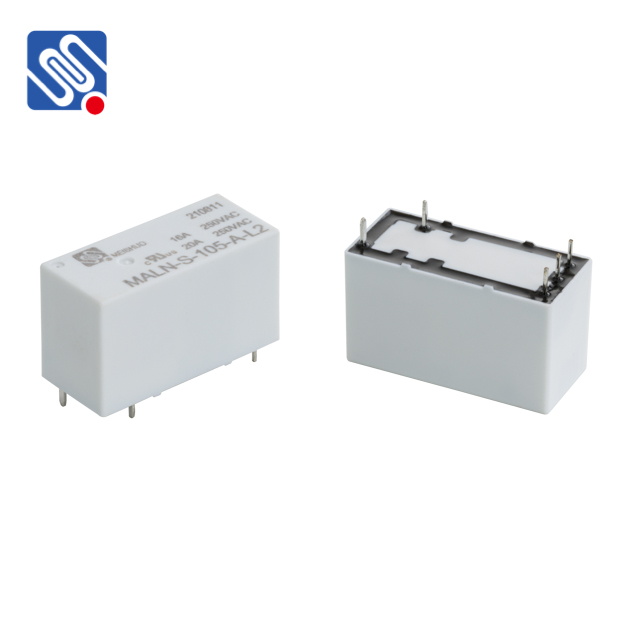
What is a Smart Home Relay? A Smart Home Relay is an electronic device that allows users to control electrical circuits and devices remotely using smart home systems. It functions like a traditional relay switch but is equipped with smart connectivity features, enabling it to interact with smartphones, voice assistants (like Amazon Alexa or Google Assistant), and home automation platforms. Essentially, it replaces the manual switch with a more sophisticated, automated system that can respond to commands from virtually anywhere. Key Functions of Smart Home Relays Remote Control of Appliances: One of the most valuable features of a Smart Home Relay is the ability to remotely control various appliances and devices. Using an app on your smartphone or tablet, you can turn your lights on and off, adjust your thermostat, or even operate heavy-duty appliances like washing machines or refrigerators. This eliminates the need to be physically present to operate these devices.




 Chat Oline