understanding the temperature control relay: a key component in modern temperature management
Release time:2026-01-17 18:03:04
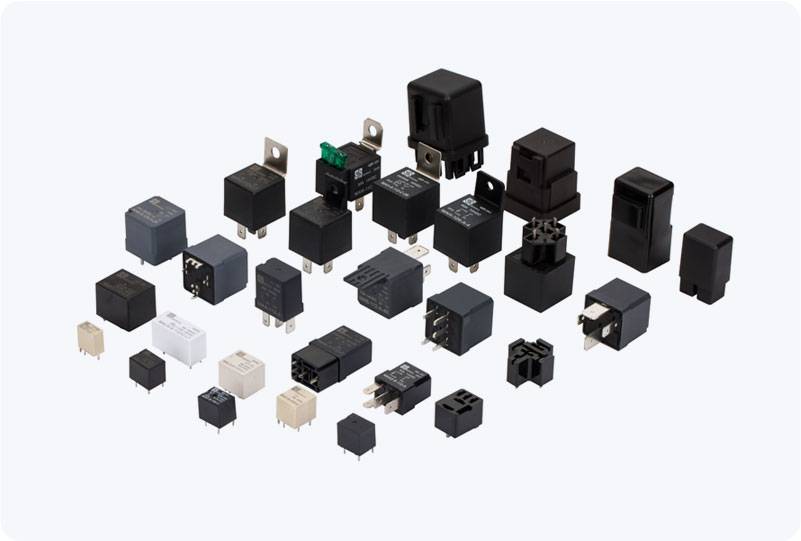
In today's industrial and domestic environments, temperature control is paramount for ensuring safety, efficiency, and optimal performance of various systems. One of the essential components facilitating effective temperature regulation is the temperature control relay. This electronic device serves as an interface between a temperature measuring instrument, like a thermocouple or thermistor, and the load it controls, such as a heater or an air conditioning unit. In this article, we will explore the working principle, applications, types, advantages, and considerations related to temperature control relays.
Working Principle
The fundamental operation of a temperature control relay hinges on its ability to measure temperature and trigger an appropriate response when that temperature reaches predetermined thresholds. The relay employs a temperature sensor to continuously monitor the surrounding temperature. As the temperature deviates from the set point—either rising or falling—the relay activates a switching mechanism.
For example, if the environment is too cold, the relay will close the circuit, allowing electricity to flow to the heating system. Conversely, when the desired temperature is achieved or exceeded, the relay will cut off the power supply, thereby preventing overheating. This on-off control method is commonly referred to as hysteresis control, ensuring that the system operates efficiently while maintaining the set temperature range.




 Chat Oline