understanding relay efficiency in communication systems
Release time:2026-01-17 05:28:32
Relay efficiency plays a pivotal role in modern communication systems, especially in wireless networks, where the transmission of data often relies on multiple nodes to forward signals effectively. As we delve into the intricacies of relay efficiency, we will explore its definition, significance, factors influencing it, and the implications for future communication technologies.
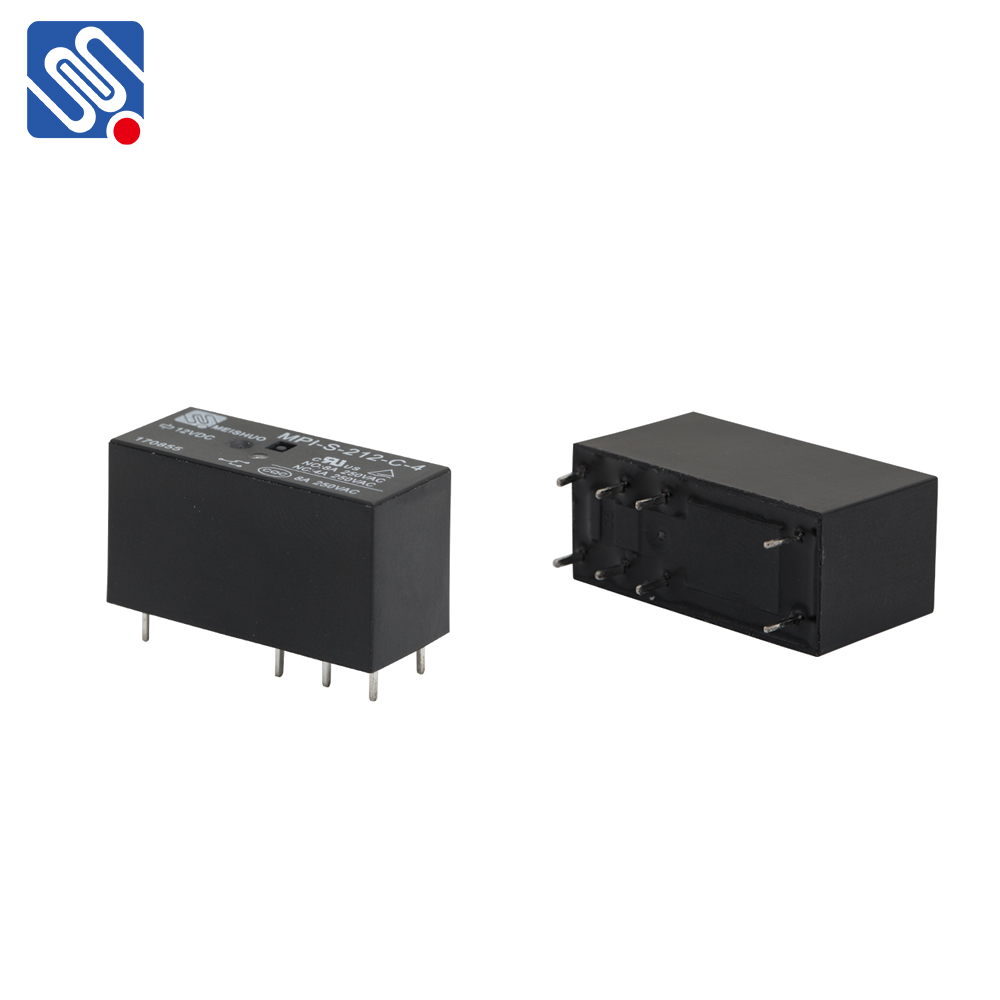
At its core, relay efficiency refers to the effectiveness with which relay nodes transmit information from a source to a destination. These relay nodes serve as intermediaries that enhance signal quality, extend coverage, and improve overall network performance. In a typical scenario, a source sends data to a relay, which then amplifies or re-broadcasts the signal to the final destination. This process not only improves the reliability of the communication but also enhances the data rates achievable in challenging environments.
One of the primary benefits of incorporating relay nodes into communication systems is the enhancement of signal strength. In many cases, especially in rural or densely populated urban areas, direct line-of-sight communication may be obstructed due to physical barriers, leading to significant losses in signal quality. Relay nodes can mitigate this issue by providing alternative paths for signal transmission, thereby increasing the effective signal coverage and reducing the probability of data loss.




 Chat Oline