exploring the power of shelly mini gen4 relay in smart home automation
Release time:2025-12-07 08:58:36
The Shelly Mini Gen4 Relay is a versatile and compact device designed to integrate seamlessly into modern smart home ecosystems. As part of the Shelly product line, which is known for its innovative solutions in home automation, the Mini Gen4 relay stands out due to its small form factor, high compatibility, and powerful features. This relay serves as a critical component for controlling various home appliances and lighting systems remotely, offering convenience, energy efficiency, and advanced automation capabilities.
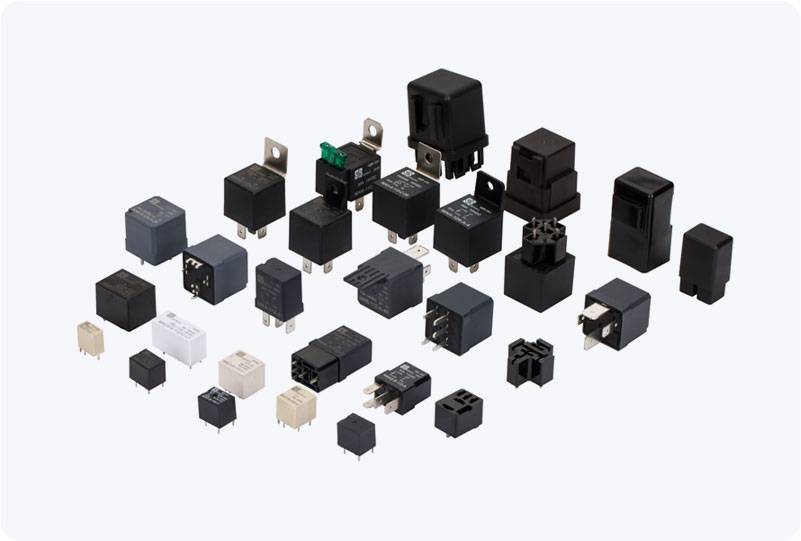
Compact and Powerful Design One of the primary selling points of the Shelly Mini Gen4 Relay is its compact design. Measuring just 41mm x 36mm x 17mm, it’s small enough to fit into standard electrical boxes, making it ideal for retrofitting existing setups without requiring major changes or a complete overhaul of the wiring. This size allows for flexibility in installation, meaning it can be used in tight spaces where larger relays would be impractical. Despite its small size, the Shelly Mini Gen4 offers impressive performance. It supports up to 16A of load—enough to handle a range of devices, from lights and fans to larger appliances like water heaters or air conditioning units. This makes it suitable for both residential and commercial environments, providing the control needed to manage significant energy usage while maintaining safety and reliability.




 Chat Oline