relay technology: the backbone of modern automation and control systems
Release time:2025-12-07 08:45:47
Relay technology has been a cornerstone of automation, control systems, and signal processing for decades. Whether in household appliances, industrial machinery, or telecommunications, relays play an essential role in the efficient functioning of various systems. This article delves into the significance, types, applications, and evolving nature of relay technology in modern-day scenarios.
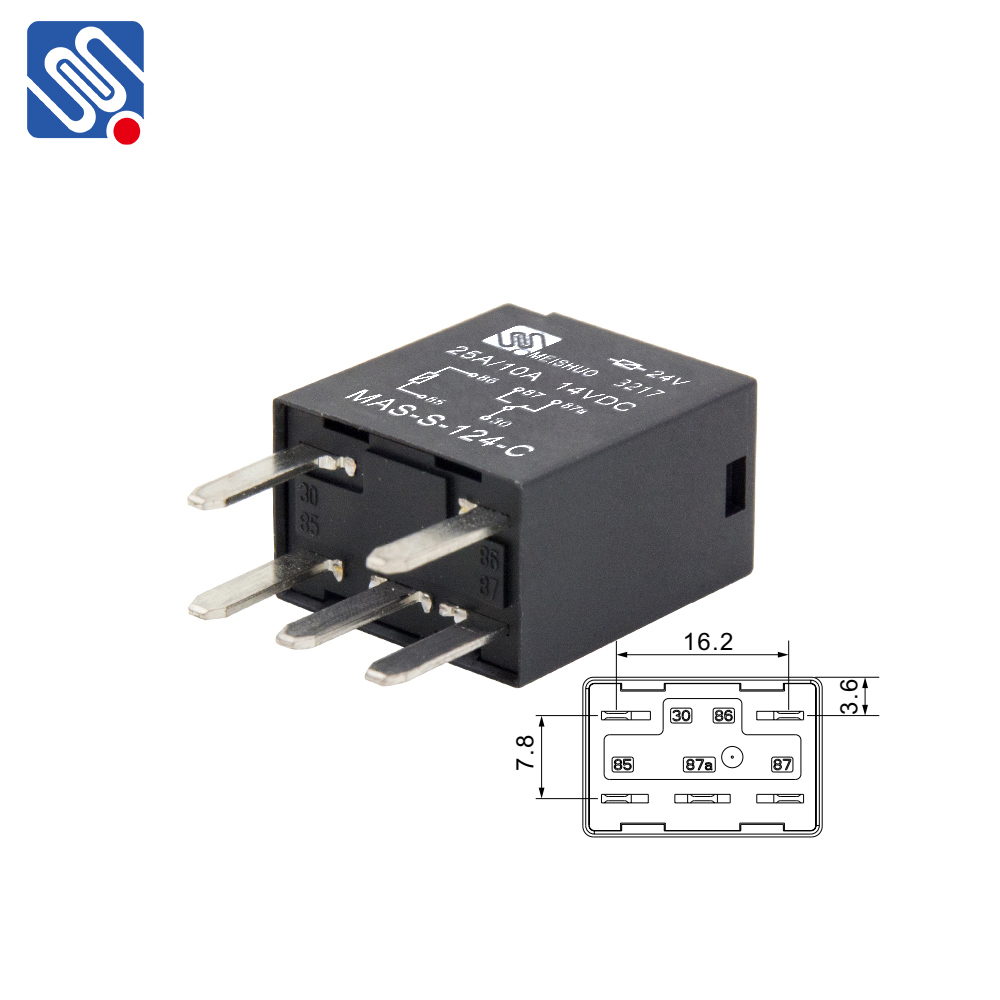
What is Relay Technology? Relay technology refers to the use of electromechanical devices (relays) to control circuits by opening and closing the circuit through the actuation of electrical signals. Essentially, a relay is a switch that opens and closes under the control of an electrical current, making it indispensable in a wide variety of industries. When a low-voltage current flows through a relay’s coil, it generates a magnetic field, which then actuates a mechanical switch, either opening or closing the circuit to allow or stop the flow of electricity. The typical relay is composed of several key components: the coil (electromagnet), contacts, and a spring mechanism. Depending on the design, relays can either be mechanical or solid-state.




 Chat Oline