understanding direct acting solenoid valves: functionality and applications
Release time:2026-01-15 12:48:59
Direct acting solenoid valves are integral components in various industrial and commercial applications, known for their ability to control the flow of fluids—whether liquids or gases—with precision and reliability. This article will delve into the functionality, benefits, limitations, and typical applications of direct acting solenoid valves, highlighting their significance in modern automation and fluid control systems.
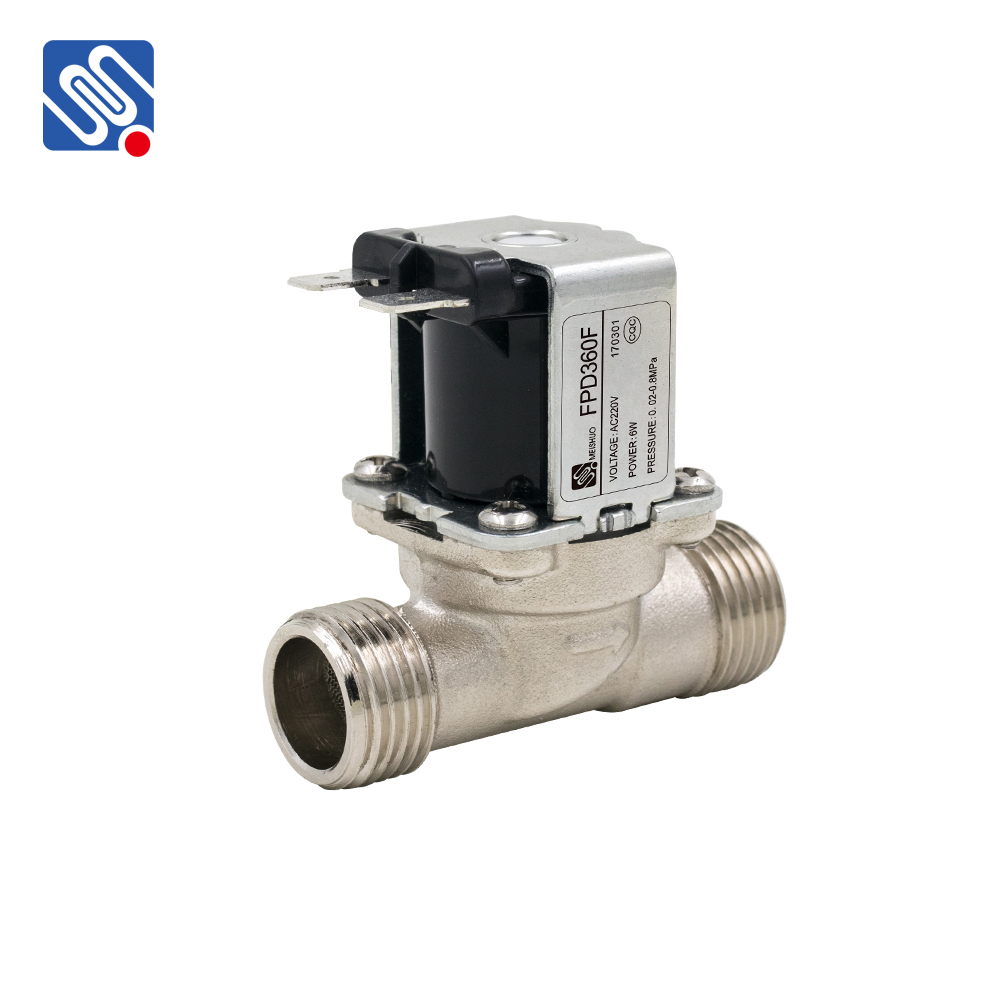
What is a Direct Acting Solenoid Valve?
A direct acting solenoid valve operates based on the principle of electromechanical actuation. It comprises an electromagnetic coil, a valve body, and a sealing element that works together to open or close the valve. When an electric current flows through the coil, it generates a magnetic field that pulls or pushes a plunger, which ultimately either opens or closes the valve seat. Unlike pilot-operated valves, direct acting solenoid valves do not require any additional pressure or flow to function; the electromagnetic force is sufficient to actuate the valve, making them highly versatile in low-pressure applications.




 Chat Oline