panasonic ev relay: pioneering the future of electric vehicle performance
Release time:2025-12-07 03:53:25
In the ever-evolving landscape of electric vehicles (EVs), ensuring optimal performance, safety, and energy efficiency is paramount. One crucial component that plays a significant role in achieving these goals is the relay system. Panasonic, a global leader in electronic technologies, has developed the Panasonic EV Relay, a high-performance relay specifically designed for electric vehicles. This innovative technology addresses the increasing demands of the electric vehicle market by providing advanced solutions to manage high-power electrical circuits, essential for the seamless operation of EVs.
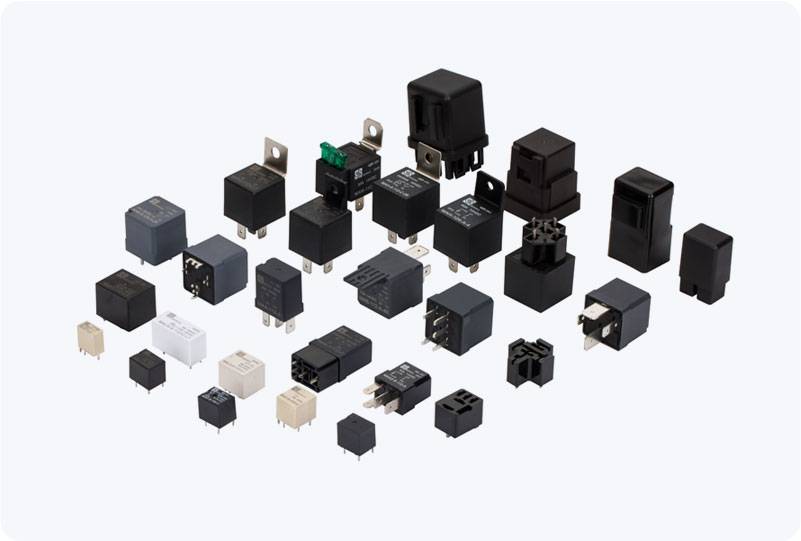
What is a Panasonic EV Relay? At its core, the Panasonic EV Relay is a specialized switching device that facilitates the safe and efficient operation of electric vehicle power systems. Relays are electrical switches that open and close circuits by receiving a low-power signal, making them vital in high-power applications such as those found in EVs. The Panasonic EV Relay is engineered to handle the high-voltage and high-current demands typical in EV applications, making it indispensable for the proper functioning of electric drive systems, battery management, and charging processes. Key Features and Advantages




 Chat Oline