understanding relay characteristics: key factors and their impact on performance
Release time:2026-01-15 00:59:30
Relays are essential components in various electrical and electronic circuits. They function as electrically operated switches that allow for controlling large electrical loads with a small control signal. Understanding relay characteristics is crucial for selecting the right relay for a specific application, as these characteristics directly affect the performance, efficiency, and reliability of the relay in a system. In this article, we will explore the key relay characteristics, including their working principles, operational features, and how they influence relay performance.
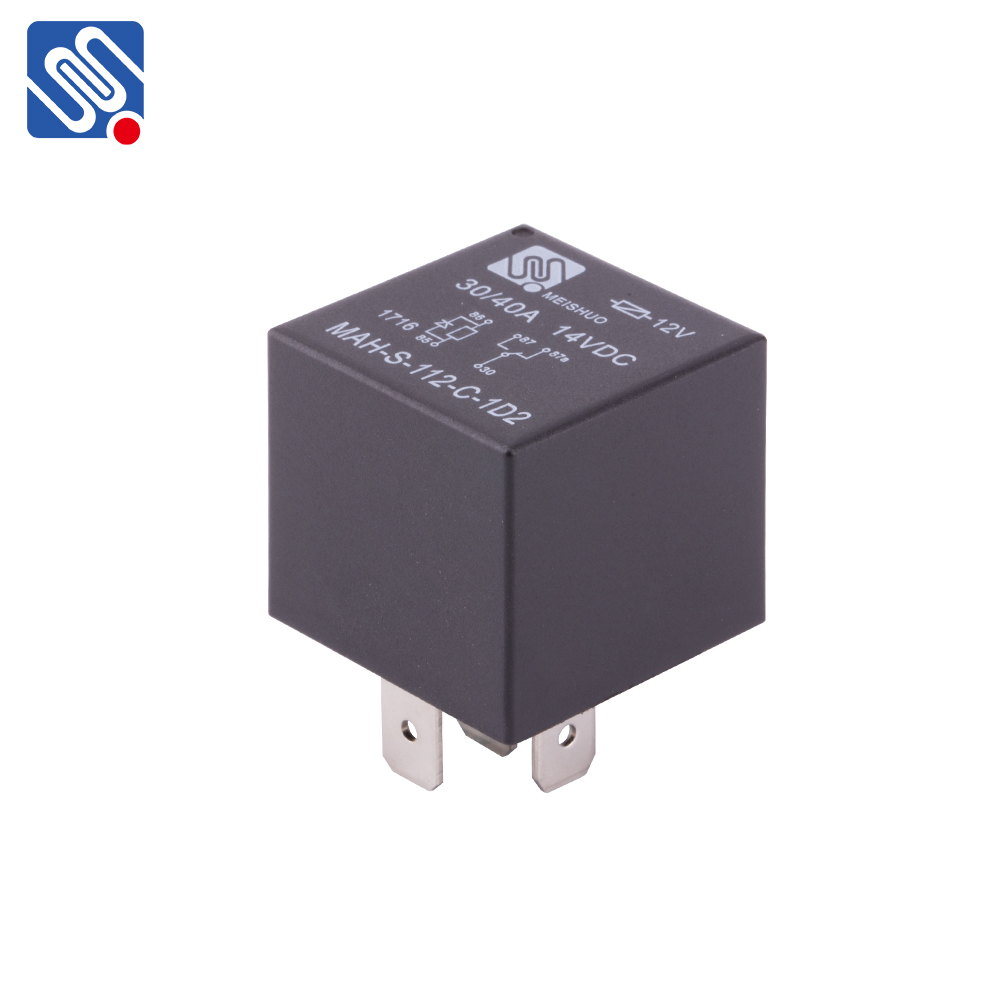
1. Contact Type and Configuration
One of the primary characteristics of a relay is the type of contacts it has. Most relays feature two types of contacts: Normally Open (NO) and Normally Closed (NC). In a Normally Open relay, the contacts are open (disconnected) when the relay is not energized, and they close (connect) when the relay is activated. Conversely, in a Normally Closed relay, the contacts are closed when the relay is not energized, and they open when the relay is activated. The choice between NO and NC contacts depends on the specific function the relay needs to serve, such as controlling the flow of current to a device or interrupting an existing connection.




 Chat Oline