the future of smart relay systems: exploring meishuo's role in smart automation
Release time:2025-12-07 01:24:17
Smart relays are rapidly becoming an integral part of modern automation systems. With the rise of Industry 4.0 and the increasing demand for efficient, connected solutions, smart relays offer a versatile and scalable approach to controlling electrical circuits. These intelligent devices provide better functionality and enhanced control, making them a critical part of smart homes, industrial settings, and complex infrastructures. In this article, we’ll explore the role of smart relays in automation and highlight how Meishuo, a leading player in this field, is revolutionizing the industry.
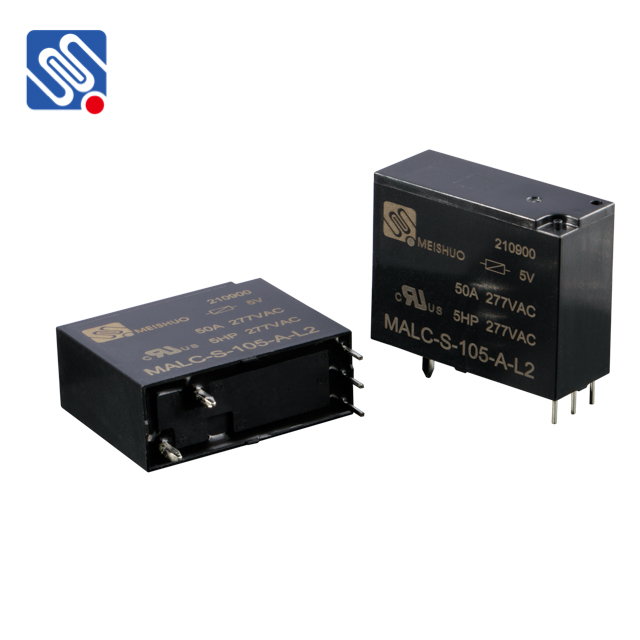
What are Smart Relays? A smart relay is an advanced version of a traditional relay that combines the basic relay function with additional intelligence and connectivity features. While standard relays are used to open or close electrical circuits in response to specific conditions, smart relays are designed to interact with other devices and communicate data across networks. They are programmed with microcontrollers that allow for remote monitoring, control, and diagnostics, offering an added layer of efficiency to automated systems. These relays can handle tasks such as time delays, circuit protection, and load management, all while being more flexible and adaptable to varying conditions. Their integration with modern communication networks, such as IoT (Internet of Things), means that they can be controlled and monitored from anywhere, providing real-time data insights.




 Chat Oline