the growth and innovation of china solenoid valve manufacturers
Release time:2025-12-07 01:11:59
China has long been known for its manufacturing capabilities, particularly in industries like electronics, automotive, and machinery. Among the many sectors where the country excels, one area that has gained significant attention is the production of solenoid valves. China solenoid valve manufacturers have not only played a crucial role in meeting the domestic demand but have also established themselves as key players in the global market. This article delves into the rise, innovation, and competitive edge of solenoid valve manufacturers in China.
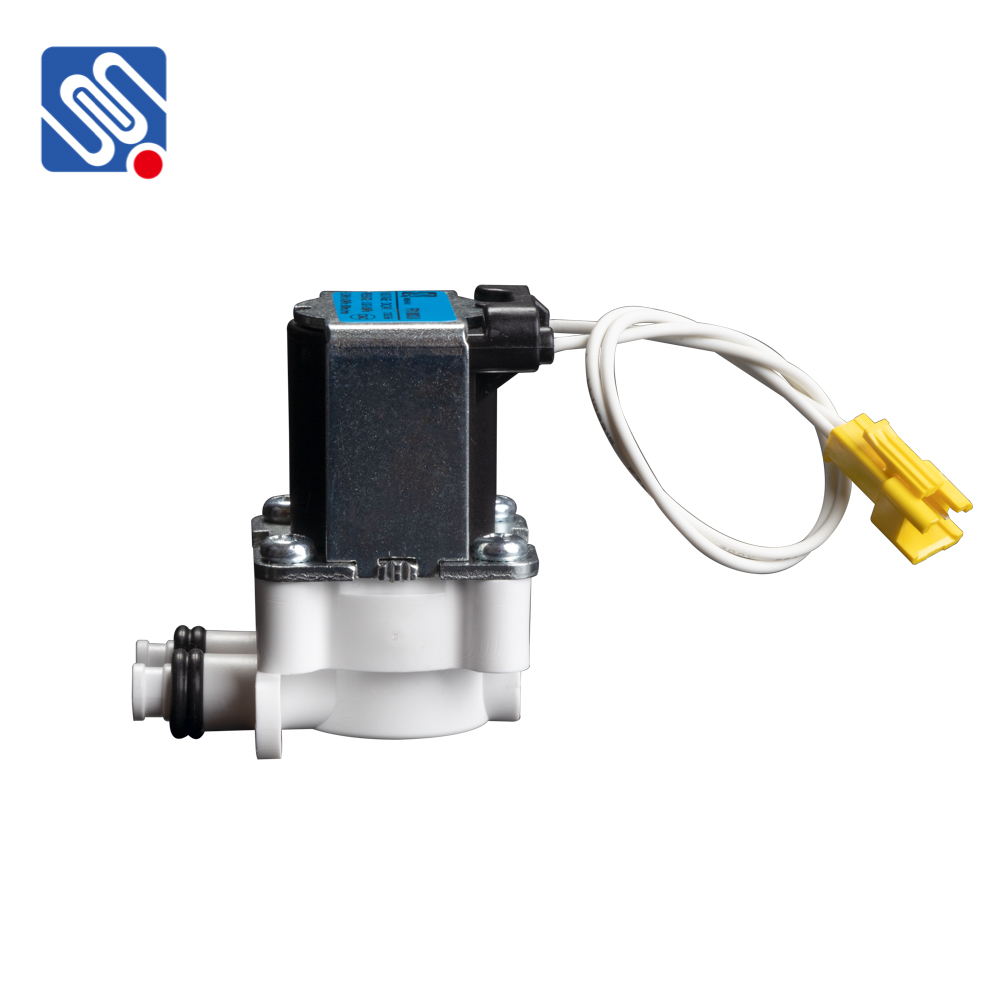
What is a Solenoid Valve? A solenoid valve is an electromechanically operated valve that uses a solenoid coil to control the flow of fluid or gas through a system. These valves are integral in a wide range of industries, from automotive applications to manufacturing automation, water treatment, and HVAC systems. By converting electrical energy into mechanical motion, solenoid valves enable precise control of fluids in various processes, making them an essential component in modern industrial systems. China’s Leading Position in Solenoid Valve Manufacturing China has become one of the largest manufacturers and exporters of solenoid valves in the world. The country’s extensive industrial base, cost-effective labor, and rapidly advancing technology have allowed it to dominate the global market. Companies in China produce a wide variety of solenoid valves, including 2-way, 3-way, and 4-way models, as well as direct-acting and pilot-operated types. These valves come in different materials such as brass, stainless steel, and plastic, each designed to meet specific needs in various industries.




 Chat Oline