the advantages and applications of oem plastic solenoid valves in modern industries
Release time:2025-12-06 23:55:05
OEM (Original Equipment Manufacturer) plastic solenoid valves have emerged as a vital component in various fluid control systems due to their cost-effectiveness, corrosion resistance, and versatility. These valves, designed to regulate the flow of liquids and gases in a wide range of applications, are particularly favored for their lightweight design and high-performance capabilities. In this article, we will explore the features, benefits, and applications of OEM plastic solenoid valves, shedding light on why they are a popular choice across industries.
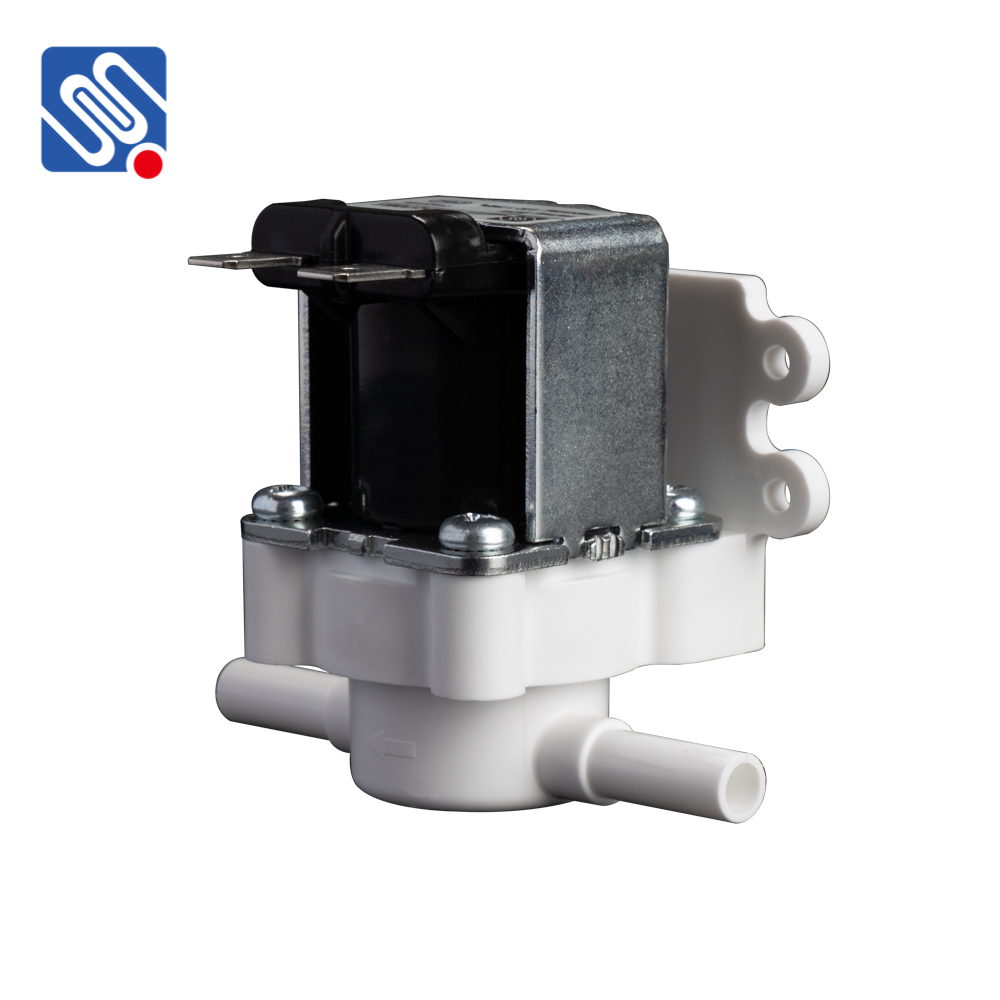
What are OEM Plastic Solenoid Valves? An OEM plastic solenoid valve is an electromechanical device that controls the flow of fluid (liquid or gas) by utilizing an electric current to actuate the valve. The solenoid coil generates a magnetic field when energized, which moves the plunger inside the valve to either open or close the flow path. What sets plastic solenoid valves apart from their metal counterparts is the use of durable plastic materials for the valve body, such as PVC, PP, or PVDF, which offer superior resistance to chemical corrosion, high temperatures, and pressure variations.




 Chat Oline