understanding relay current rating: key factors and considerations
Release time:2026-01-13 17:24:37
Relays are essential components in modern electrical and electronic systems. They act as switches, allowing low-power control circuits to manage high-power devices safely and efficiently. One critical specification when selecting a relay is its current rating, which determines how much current the relay can safely carry and switch without risk of damage or failure. In this article, we will explore the concept of relay current rating, its importance, and key factors to consider when selecting a relay for your applications.
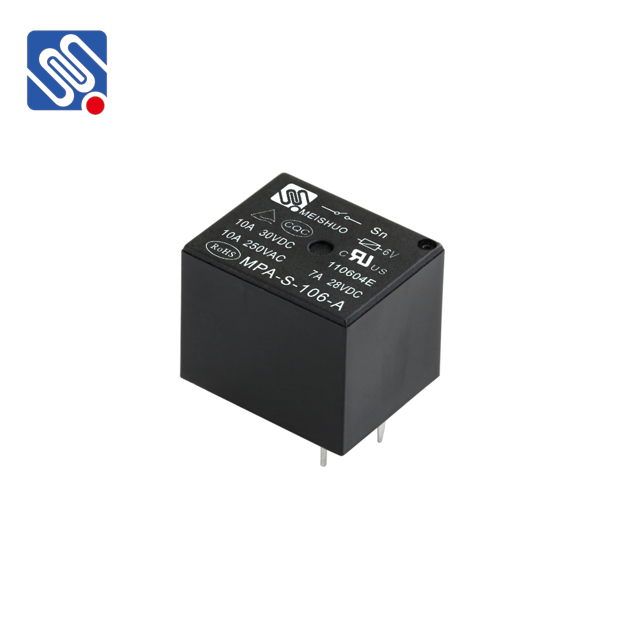
What is Relay Current Rating?
Relay current rating refers to the maximum amount of electrical current that a relay's contacts can handle without suffering damage. It is a crucial parameter because exceeding this rating can result in overheating, contact arcing, or even complete failure of the relay. This rating is typically provided by the manufacturer and is specified in amperes (A). The current rating helps users understand the limits of the relay’s ability to handle both continuous and peak current loads in different conditions.
Why is Relay Current Rating Important?
The current rating is significant for several reasons:




 Chat Oline