high reliability communication relay for industrial automation: ensuring seamless operations in critical systems
Release time:2025-12-06 21:31:55
In today's industrial automation environment, maintaining a smooth and reliable flow of data is essential for the optimal performance of machinery and processes. As industries become more interconnected, the demand for high-quality, robust communication systems has grown exponentially. One such crucial component in industrial automation systems is the High Reliability Communication Relay (HRCR), which is designed to ensure the continuity, stability, and security of communications in environments where failure is not an option.
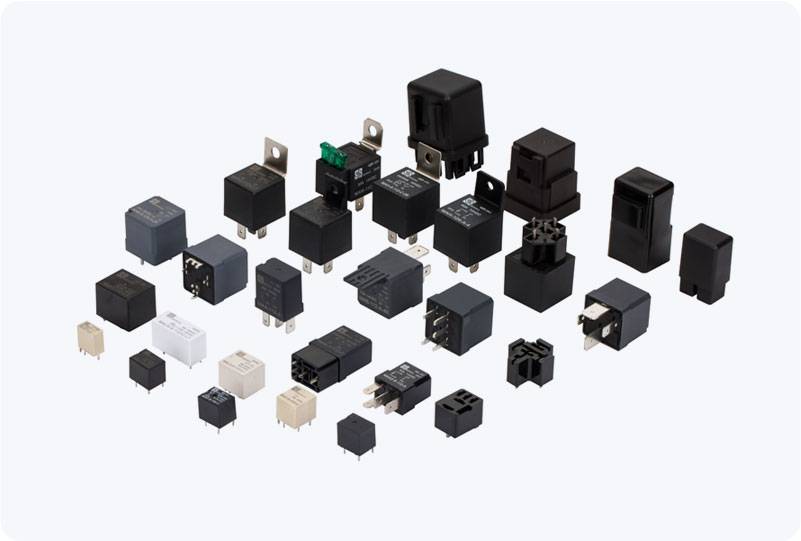
Understanding High Reliability Communication Relays A High Reliability Communication Relay is a specialized device used to facilitate communication between various components in an industrial automation setup. These relays are designed to minimize downtime and reduce the risk of communication failure between devices, sensors, controllers, and other critical system elements. In industrial environments, where processes run 24/7 and even slight disruptions can lead to significant losses, HRCRs play a vital role in ensuring that the systems remain operational. Unlike standard communication relays, which may work for routine applications, HRCRs are built to handle the more demanding needs of industrial automation. They incorporate advanced features, such as redundancy, fault tolerance, and robust signal transmission, to ensure continuous operation even in the event of hardware failures or network issues.




 Chat Oline