exploring the iot relay module: revolutionizing control in a connected world
Release time:2026-01-10 17:54:16
The Internet of Things (IoT) has significantly transformed the way we interact with devices and systems in our daily lives. At the heart of many IoT applications is the IoT Relay Module, a crucial component that enables remote control and automation of electrical devices. This article delves into the functionality, benefits, applications, and future prospects of the IoT Relay Module, highlighting its role in creating smarter, more efficient environments.
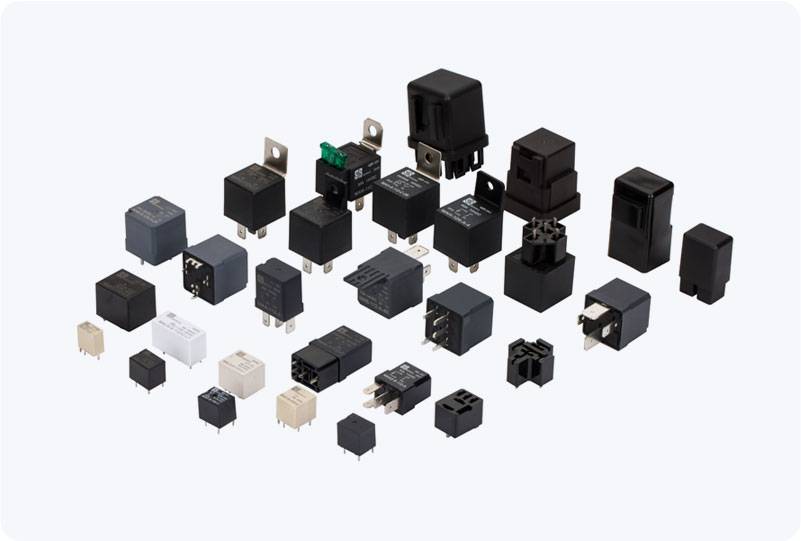
What is an IoT Relay Module?
An IoT Relay Module is an electronic device that acts as a switch, allowing users to control the power supply of electrical devices remotely over the internet. This module typically comprises one or more relays, a microcontroller, and network connectivity modules (such as Wi-Fi or Bluetooth). By receiving commands via a mobile application or web interface, users can turn devices on or off from anywhere in the world, making it an essential tool in the realm of home automation and industrial control systems.
How Does It Work?
The operational principle of the IoT Relay Module is relatively straightforward. When a user sends a command through a smartphone app or web interface, the signal is transmitted to the module over the internet. The microcontroller within the relay module processes this command and activates the appropriate relay. This action either closes or opens the circuit, thus powering the connected device accordingly. Some modules support multiple relays, allowing users to control several devices simultaneously.




 Chat Oline