understanding ac solenoid valves and the role of meishuo
Release time:2025-12-06 15:10:22
An AC solenoid valve is a vital component used in various applications that require controlling the flow of liquids or gases. These valves utilize electromagnetic technology to open or close a valve by generating a magnetic field. As an essential part of numerous systems, such as HVAC, refrigeration, and industrial machinery, solenoid valves ensure smooth operations, energy efficiency, and system control.
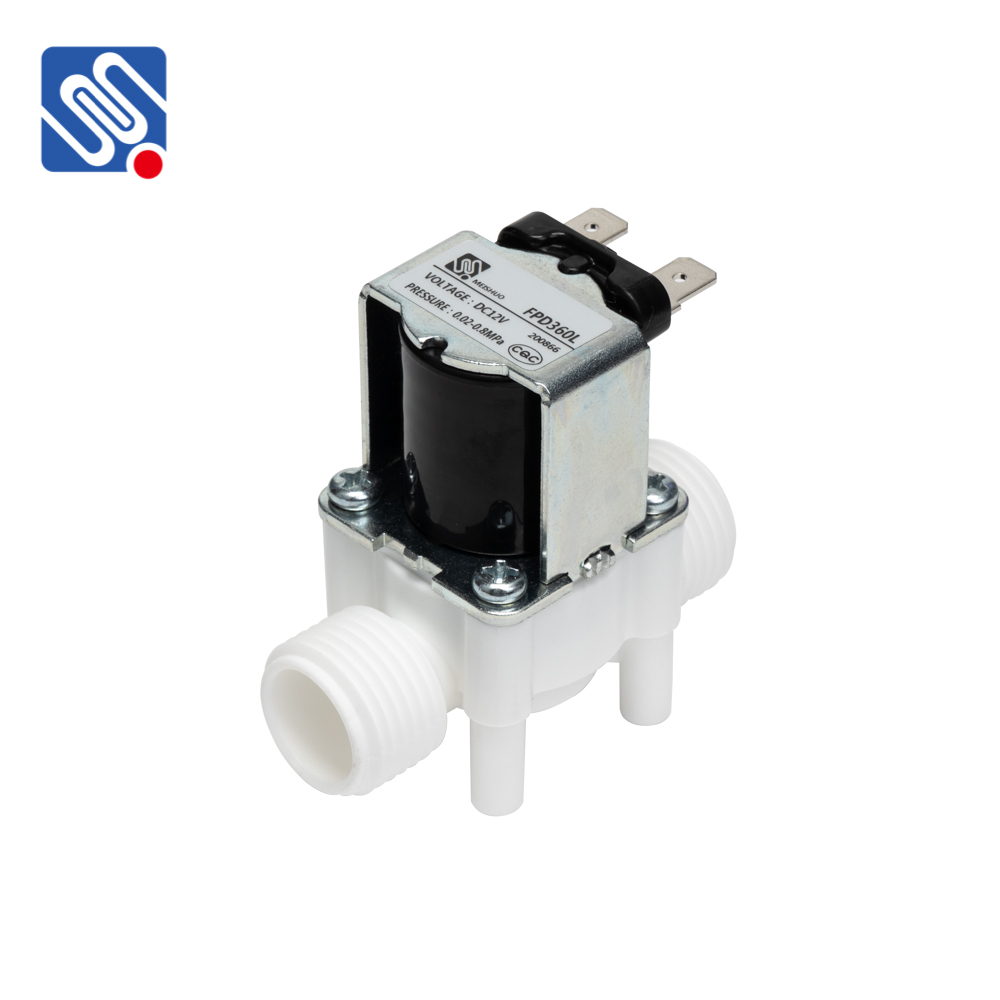
Meishuo, a recognized name in the solenoid valve industry, stands out for its advanced manufacturing techniques and commitment to high-quality products. The company offers a range of solenoid valves, including AC-operated models, that are designed to meet the needs of various industries. What is an AC Solenoid Valve? An AC solenoid valve operates using alternating current (AC) to power an electromagnet inside the valve assembly. The electromagnet generates a magnetic field when current flows through it, which then activates the valve’s mechanism. Depending on the design, it either opens or closes a passage for fluid or gas, allowing or blocking the flow. These valves are particularly important in applications where automatic, remote-controlled, or precise flow control is required.




 Chat Oline