relay manufacturers in mumbai: leading suppliers in the industrial automation and electrical sector
Release time:2025-12-06 14:15:14
Mumbai, the commercial capital of India, is home to a vibrant and dynamic manufacturing sector. Among the many industries driving the city’s industrial growth, Relay manufacturers play a crucial role, providing essential electrical components for various applications. From industrial automation to power distribution, relays are key to controlling electrical circuits and ensuring the smooth operation of systems across industries. In this article, we will explore some of the leading Relay manufacturers in Mumbai, highlighting their contributions and the diversity of products they offer.
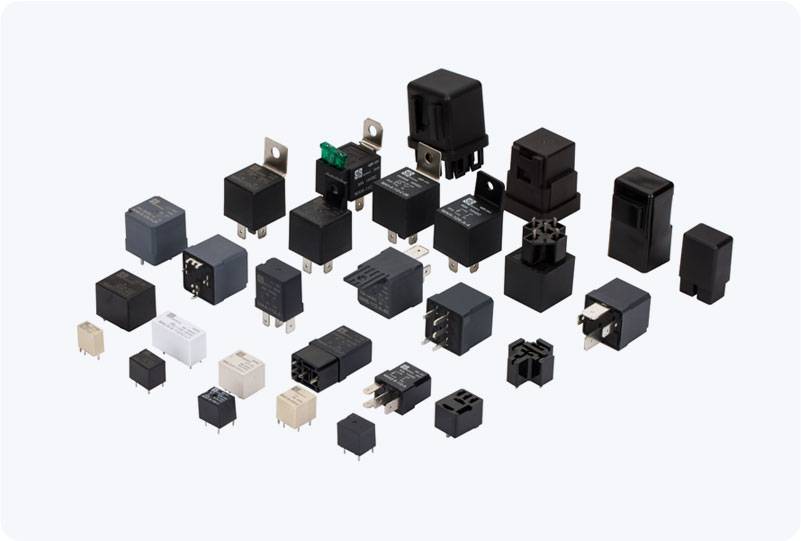
1. Larsen & Toubro (L&T) One of the most prominent names in the Indian manufacturing sector, Larsen & Toubro (L&T) has a strong presence in the relay manufacturing industry. L&T’s range of electrical components includes a variety of relays, such as protection relays, control relays, and time delay relays. With decades of experience in the engineering field, L&T has earned a reputation for producing high-quality, reliable products that meet international standards. The company’s relays are widely used in power distribution systems, industrial automation, and various other sectors requiring efficient electrical control.




 Chat Oline