relay troubleshooting: a step-by-step guide for identifying and fixing common issues
Release time:2026-01-06 15:20:21
Relay troubleshooting is a critical skill for engineers, technicians, and anyone working with electronic systems. A relay is an electrically operated switch used in a variety of applications, such as automotive, industrial, and home automation systems. When relays fail to perform as expected, identifying the underlying issues becomes essential to ensuring the system’s reliability and longevity. In this article, we will walk you through the common causes of relay failure and provide a step-by-step guide for effective troubleshooting.
Understanding the Basics of a Relay
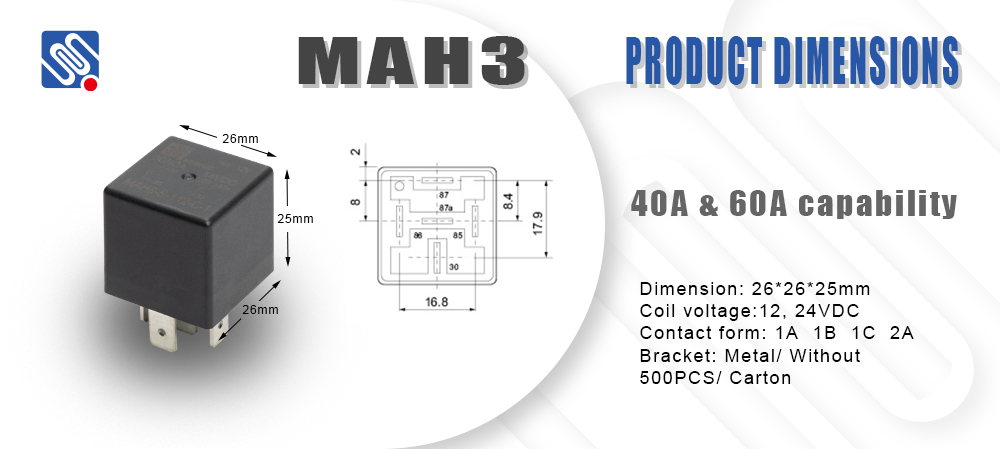
A relay consists of a coil, contacts, and a spring. The coil is energized when an electric current is applied, creating a magnetic field that pulls the contacts together or pushes them apart. This action can either complete or break a circuit, controlling a load such as a motor, light, or another device. Relays are crucial in systems where the control voltage is separate from the load voltage, allowing for safe and efficient operation.
Common Relay Failures and Their Causes
Before diving into troubleshooting, it’s important to understand the common causes of relay failure. These include:




 Chat Oline